In today’s this society, ensuring a cozy home environment is crucial. While property owners seek methods to improve their daily ease levels, HVAC system zoning has emerged a key solution. Regardless of whether it's providing a warm atmosphere during the chilly winter months or a refreshing escape in the hot summer, grasping HVAC zoning can transform how we enjoy our homes.
HVAC zoning solutions provide personalized climate control in different areas of the home, addressing the unique needs and preferences of each member of the household. This custom approach not only improves comfort but can also contribute to energy efficiency and reduced utility bills. This article will delve into the details of HVAC zoning, touching on its advantages, key factors, and how it fits into the broader context of HVAC system maintenance and efficiency.
Essential HVAC Care Guidelines
Frequent maintenance is critical to ensure your HVAC system functions effectively and optimally. One of the key practices is to change the air filters on a regular basis. Clogged filters can restrict airflow, making your system to function harder and ultimately resulting in increased energy bills and potential damage. Depending on usage and the kind of filter, it's usually advised to check and replace filters at intervals of one to three months.
Another key aspect of HVAC maintenance is arranging yearly professional tune-ups. These thorough inspections allow a certified technician to evaluate your system's overall condition, maintain internal components, and detect any developing issues before they escalate. This preventive approach not only enhances performance but also extends the lifespan of your system, offering reassurance, especially during peak heating and cooling seasons.
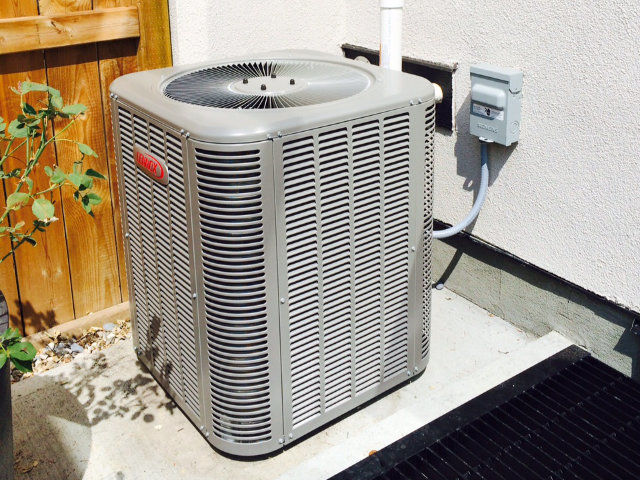
In conclusion, keeping the outdoor unit tidy is crucial for optimal performance. Debris, leaves, and dirt can accumulate around your HVAC unit, reducing its efficiency and airflow. Regularly clearing the area and making sure proper drainage can help sustain the system’s effectiveness. Carrying out these maintenance activities will substantially help to the well-being and air quality in your home while possibly reducing operating costs.
Cost-Effective Energy Solutions and Financial Benefits
Upgrading to an eco-friendly HVAC system can lead to significant cost savings on one's monthly energy bills. Contemporary systems are designed with advanced technologies that not just reduce energy consumption but also provide ideal heating and cooling comfort. By selecting a system with a high Seasonal Energy Efficiency Ratio (SEER) rating, homeowners can experience lower operational costs while maintaining a pleasant indoor environment. Additionally, energy-efficient models often qualify for rebates and incentives, further enhancing their financial appeal.
Routine maintenance plays a critical role in maintaining the efficiency of an HVAC system. Simple tasks such as replacing air filters, cleaning ducts, and scheduling professional tune-ups can ensure that the system operates at peak performance. When systems are properly serviced, they consume less energy and are less likely to encounter expensive breakdowns. Homeowners can utilize a seasonal HVAC maintenance checklist to stay on top of these essential tasks and enhance efficiency.
HVAC zoning is another effective method for boosting energy efficiency and reducing expenses. By controlling the temperature in different areas of the home separately, zoning systems prevent unnecessary heating or cooling in unoccupied spaces. This selective approach allows for improved comfort management and can significantly lower energy bills. Homeowners should evaluate whether a zoned HVAC system is appropriate for their living space, as it can lead to long-term savings and enhanced overall comfort.
Grasping HVAC Zoning Benefits
HVAC zoning is an effective way to enhance comfort in your home by enabling you to control the temperature in distinct zones independently. This system separates your home into separate zones, each managed by its own thermostat. As https://goheronow.com/why-regular-hvac-maintenance-is-essential-for-your-home/ , family members can tailor the temperature to their liking, lessening conflicts over climate preferences. This personalized comfort makes your living space more enjoyable for everyone.
Energy efficiency is a key advantage of HVAC zoning. By heating or cooling only the areas of your home that are actively used, you can save on energy costs. This focused method minimizes the workload on your HVAC system, causing lower utility bills and a longer lifespan for your equipment. Moreover, zones that are not occupied can be configured to energy-saving temperatures, further enhancing savings.
Finally, HVAC zoning can improve indoor air quality. With personalized controls, you can effectively control humidity levels and airflow in multiple sections of your home. This is highly advantageous for areas susceptible to moisture or for people with allergies, as it allows for tailored ventilation strategies. Consequently, zoning not only helps with comfort and efficiency and additionally fosters a better living environment.