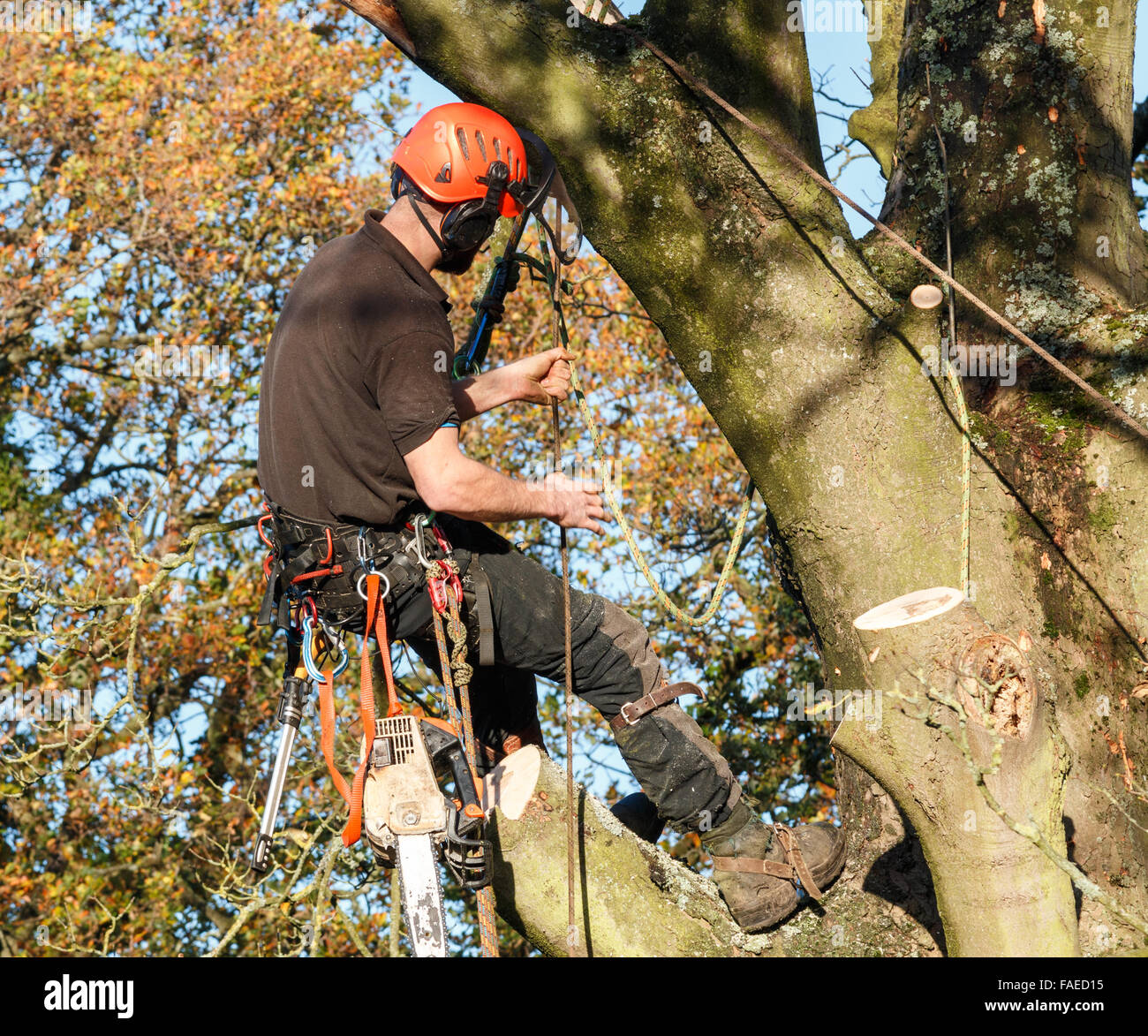
Regarding preserving the well-being of your trees, the advice of a professional tree surgeon can be invaluable. Nevertheless, there are many misconceptions regarding tree care, leading homeowners to make decisions that risk their trees and property. In this article, we strive to debunk common myths surrounding tree surgery and provide you with vital knowledge about when and how to seek professional help.
From understanding the signs that indicate your tree needs attention to separating between tree trimming and pruning, our complete guide lays out the essential insights for you. Whether you're concerned about tree health, wondering how to manage branches before a storm, or contemplating tree removal, we are prepared to assist you. Get ready to learn the truth about tree care and ensure your trees flourish for years to come.
Indicators That Your Tree Needs Attention
Seeing issues in your tree can be crucial to maintaining its health and integrity. One of the primary signs that your tree may need expert attention is the presence of wilting or browning leaves. If the leaves are turning yellow, brown, or falling prematurely, it could indicate trouble from illness, pest infestation, or inadequate watering. Noticing these symptoms early can make a significant difference in the outcome for your tree.
Another key sign to watch for is abnormal growth patterns such as mushrooms or fungal growth on the tree or its base. This can indicate decay or other internal issues that need to be managed promptly. Additionally, if you spot cracks or splits in the trunk or large branches, this may signal physical weakness that could lead to potential risks. These growth irregularities warrant a qualified evaluation to ensure the tree's well-being and safety.
Finally, observing the overall form of the tree can provide clues into its condition. An unbalanced canopy or tilting trunk may suggest instability due to root issues or damage. When branches start to overlap or rub against each other, this can also create wounds that may invite disease. If any of these signs are observable, it is advisable to speak with a tree surgeon who can evaluate the situation and advise on the suitable care.
The Value of Expert Tree Care
Maintaining the condition and safety of your trees is essential, and this is where expert tree care comes into play. A qualified tree surgeon offers expertise in detecting potential issues that an untrained eye might miss. Routine inspections and maintenance can avoid minor problems from developing into serious dangers. Whether it’s infectious conditions, structural weaknesses, or symptoms of rot, professionals are prepared to evaluate and address these concerns efficiently.
Furthermore, engaging a tree surgeon ensures that your trees receive the right care adapted to their unique needs. This includes correct pruning, trimming, and even cutting when needed. Understanding the differences between tree trimming and tree pruning is important; professional services will employ the appropriate techniques to foster healthy growth and longevity. Proper care not only enhances the beauty of your landscape but also contributes to the overall health of the trees.
Ultimately, ignoring tree care can lead to costly losses and safety risks. Overgrown https://zenwriting.net/rotatenation89/tree-surgery-101-key-methods-all-tree-care-professional-should-be-aware-of can pose dangers to your home and property, especially during storm season. By putting resources in professional tree care, homeowners can lessen these risks and ensure that their trees thrive in a safe and resilient manner. Regular maintenance and speedy interventions can cut expenses in the long run and defend your property from potential dangers associated with unhealthy trees.
Tree Maintenance and Safety Tips
Routine tree maintenance is vital for the condition of your trees and the security of your property. Inspect your trees regularly for signs of concern, such as dead branches, uneven growth, or mold. Proper irrigation and soil enrichment can greatly enhance a tree's durability, especially during prolonged heat. Making sure that your trees receive the sufficient nutrients and are properly pruned at the optimal times can prevent many common problems and promote their growth.
When it comes to hazard prevention, be prepared about potential hazards. If you see branches that are too near to power lines, or if you have trees that are tilting precariously, it's crucial to consult a tree care expert. They can inspect the situation and take necessary actions to reduce them. This not only defends your home and property but also ensures the security of your family and neighbors.
Finally, after any storm, evaluate your trees for any damage. If you discover trees that are tilting or sustained significant limb loss, call an emergency arborist. These specialists can provide immediate assistance and avert further damage. Remember that trying to handle risky tree situations on your own can lead to injury; therefore, it is always best to rely on qualified professionals to keep your property protected.