

In the world of real estate and construction, the function of a land surveyor is frequently overlooked but is absolutely essential. These skilled professionals act as the foundation of real estate transactions, ensuring that property lines are clearly outlined, regulatory standards are met, and that developments are carefully planned. Regardless of whether you're a real estate owner, a potential buyer, or someone involved in a construction project, understanding what surveyors do can protect you from costly disputes and errors down the line.
While you move through the complicated landscape of property ownership, understanding when and why to hire a land surveyor is crucial. Surveys play a key role in defining land boundaries, finding out zoning restrictions, and aiding in the effective execution of construction projects. Whether it be boundary assessments that prevent real estate disputes to contemporary techniques like GPS and aerial surveys that improve precision, the landscape of land surveying is ever-evolving. This manual will lead you through the different aspects of land surveying, ensuring you are knowledgeable and ready for any property-related endeavor.
Comprehending the Importance of a Surveyor
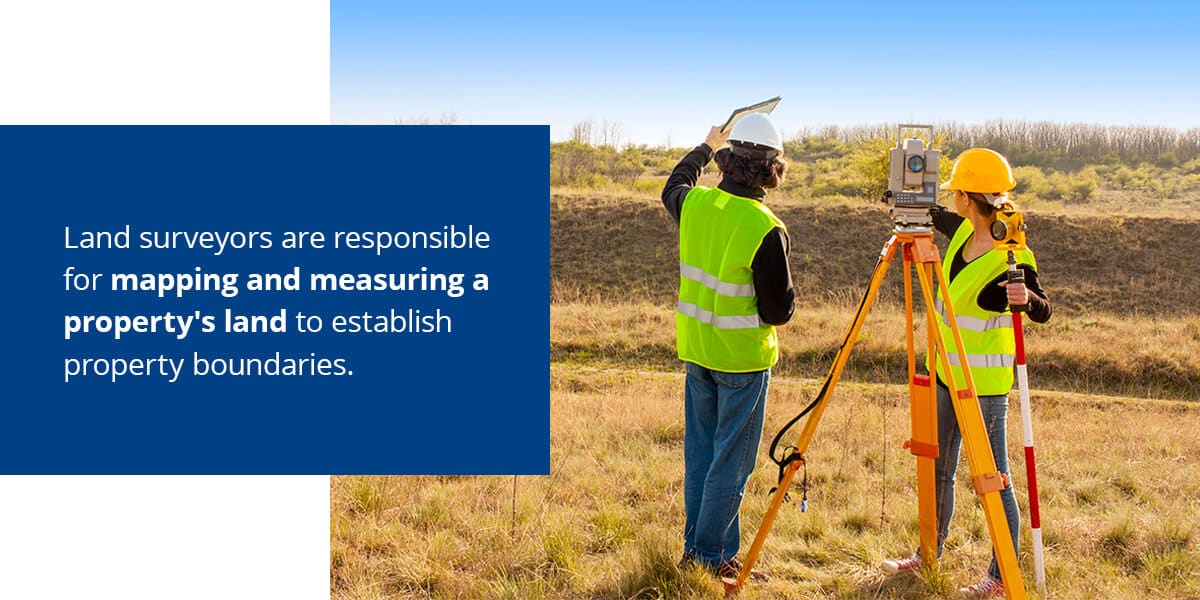
Land surveyors play a vital role in the field of land administration and real estate development. Their main responsibility is to measure and layout land, providing precise representations of property boundaries, shapes, and features. More help is necessary for a variety of interested parties, including landowners, builders, designers, and engineers, as it informs determinations related to land utilization, construction, and regulatory adherence. By employing a mix of classical surveying methods and advanced technology, surveyors ensure that all figures are exact, which is critical for avoiding disputes and ensuring that projects meet legal standards.
One of the important aspects where they contribute greatly is in identifying and setting land boundaries. Property line surveys not only define the extents of a property but also help prevent potential issues with neighboring landowners. These surveys are especially important when a property is being bought, sold, or altered, as they provide the necessary records to support legal assertions and facilitate property transactions. Moreover, by clearly defining boundaries, surveyors help landowners understand their rights and responsibilities, ultimately promoting good-natured relationships within communities.
In addition to boundary delineation, they are integral to construction initiatives. They assist in preventing costly blunders by ensuring that building plans adhere to established designs and legal requirements. From preliminary site assessments to the conclusion of a building task, they provide invaluable advice that guide architects and constructors in their work. As technology evolves, surveyors are increasingly adopting tools such as global positioning systems and unmanned aerial vehicles, enhancing their ability to acquire data accurately and efficiently. This combination of technology not only boosts the surveying but also opens up new avenues for innovation within the sector.
Forms and Value of Property Surveys
Land surveys exist in multiple types, all serving a specific goal and concentrating on distinct features of a real estate. Boundary surveys are vital for defining the accurate boundaries of a property, ensuring landowners have a definitive comprehension of their land boundaries and can avoid conflicts with adjacent property owners. Topographical surveys, on the other hand, depict the altitudes and shapes of the site, which is crucial for designing building endeavors and land architecture. Other forms include ALTA and NSPS surveys for corporate real estate, which supply detailed data needed for property dealings, and construction surveys that help identify particular locations for erecting edifices with precision.
The significance of land surveys cannot be overstated, especially for property owners and builders. A comprehensive survey ensures that any upcoming development conforms with regional zoning regulations and guidelines, minimizing the potential of litigation and building hold-ups. By employing a professional land surveyor, property owners can ensure the correctness of property lines, identify any infringements, and determine the land's appropriateness for their proposed purpose. This level of care helps in making informed decisions regarding real estate investments and building plans.
In addition, property surveys are vital significantly to the general stability of the property market. Precise surveying practices build trust among purchasers and vendors, encouraging trust in real estate transactions. By documenting property features and perimeters, surveys play a vital role in settling disputes and establish ownership rights. As technological progress continues, the necessity of incorporating modern surveying techniques, such as Global Positioning System and drone technology, cannot be overlooked, as these developments enhance the efficiency, accuracy, and affordability of land surveys.
Engaging an Expert Surveyor
Selecting the best surveyor is crucial for ensuring that your land or construction project starts off on the correct path. When thinking about hiring a skilled surveyor, start by investigating their credentials, experience, and domains. Ask for referrals from colleagues or acquaintances and check online ratings to assess satisfaction scores. Additionally, make sure the surveyor is licensed and insured; this will give you peace of mind knowing that they adhere to professional standards and regulations.
Once you have chosen a surveyor, it’s essential to convey your project needs effectively. Give them with all necessary details, such as boundaries of the land, existing surveys, and particular goals for the survey. This will help them customize their services to your necessities and shield against misunderstandings. In the course of the initial discussions, inquire questions regarding their methodology, the equipment they use, and any potential challenges they foresee with your project. This team-based approach will establish a robust foundation for your professional relationship.
After the survey is done, review the conclusive report thoroughly, and don't hesitate to request clarification on any aspects you deem unclear. Grasping the survey results is critical, especially when it comes to potential property disputes or subsequent development plans. https://notes.io/eNPFn will be more than willing to explain the findings and help you in interpreting them to your particular situation. This partnership can eventually save you time, resources, and legal troubles in the end.