

Recognizing the importance of EICRs, commonly known as Electrical Installation Condition Reports, is essential for those who possesses a property. These reports function as a key protection, ensuring the safety and security of electrical systems inside residential properties and business facilities. Routine inspections assist detect potential hazards that could result in electrical failures or worse fire risks, safeguarding not just property but human life as well.
Every property, regardless of its age or type, should be subject to an electrical inspection to ensure safety standards and comply with regulations. This article will examine the important aspects of EICRs, including what they evaluate, how often they should be performed, and the implications of failing an inspection. By staying informed about electrical condition reports, property owners can adopt proactive measures to safeguard their investments and ensure the safety of their residents.
Importance of Electrical System Test Quality Documents
Electrical Testing Reports, serve as a critical instrument in securing the protection and effectiveness of electrical systems within properties. These reports provide an in-depth assessment of the electrical installations, highlighting potential risks and issues that might not be apparent on the surface. Property owners can advantage from these inspections as they offer assurance, realizing that their electrical systems have been meticulously evaluated by skilled professionals.
Routine inspections are essential not only for compliance with safety regulations but also for the long-term preservation of the property’s integrity. An Electrical Installation Condition Report can identify inefficient components that require improvements, ultimately avoiding more serious difficulties and costly repairs down the road. For Find more information , having an recent inspection report is often a mandate, ensuring the security of tenants and the property itself.
Furthermore, electrical condition reports contribute significantly to risk management. By identifying frequent problems like damaged circuits, overloaded circuits, or insufficient earthing, landlords can take proactive measures to alleviate hazards that could cause blazes or electrocution. This not only boosts the protection of occupants on the premises but also helps in ensuring a good reputation for businesses in the same way.
Comprehending the EICR Procedure
The Electrical Installation Condition Report process starts with the hiring of a certified electrician who will carry out a comprehensive inspection of the electrical system in your home. This professional should be certified with an official organization, ensuring they meet the required qualifications and criteria. Upon arrival on-site, the electrician will evaluate multiple aspects of your electrical installation, including wiring, electrical circuits, and safety measures, to determine their state and compliance with current standards.
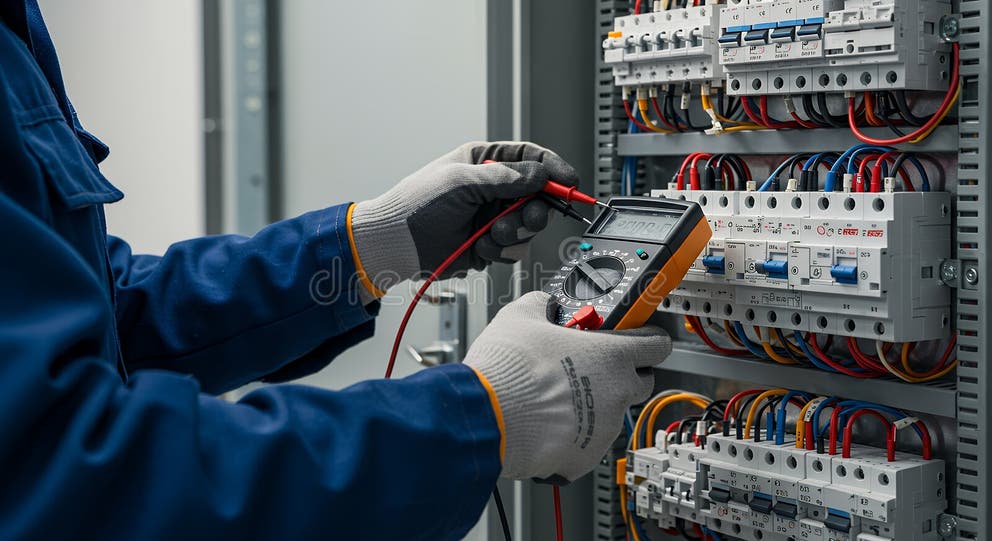
During the evaluation, the electrician will utilize specific equipment to evaluate the functionality and safety of the electrical installations. They will check potential hazards, such as bare wires or overloaded circuits, and will document their observations meticulously. This stage is crucial, as it allows both the electrician and the building manager to understand the current state of the electrical system, identifying any issues that require intervention.
After concluding the inspection, the electrician will provide a thorough report detailing their findings, including recommendations for repairs or improvements if necessary. This report is important not only for ensuring safety standards but also for guiding future property management actions. Understanding the EICR procedure helps property owners recognize the significance of regular electrical inspections and the preventive actions that can be implemented to ensure the safety and integrity of their electrical systems.
Frequent Problems and Best Practices
During electric checks, several common issues can arise that may jeopardize safety and operational integrity. These include old electrical systems, inappropriate load distribution, and faulty connections. Additionally, poor grounding and bonding can lead to significant hazards. Understanding these issues is essential for property owners as they often signal an immediate need for repairs or enhancements.
To reduce these dangers, landlords should prioritize routine electrical inspections. It is advised that residential properties be inspected once every five years, while leased units may require closer monitoring depending on state laws. Engaging a certified electrician can help detect potential risks early and ensure adherence with industry standards. Keeping an organized record of checks and maintenance can also ease this process over time.
Optimal strategies for homeowners include properly preparing for the evaluation by clearing access to electrical panels and confirming all zones can be accessed. Furthermore, communicating clearly with the inspector regarding any known concerns or concerns can facilitate a thorough evaluation. By following these best practices, property owners can help ensure a secure electrical infrastructure and extend the durability of their equipment.