

In the world of property development, few factors can have as profound an impact on a project's success as the right to light. The concept may appear simple, but working through the intricacies of right of light regulations requires careful consideration, particularly in urban environments where space is limited and the pressures to develop are intense. Surveys of right to light play a crucial role in ensuring that upcoming projects adhere to legal standards, safeguarding both developers and existing property owners from potential disputes that can derail even the best-laid plans.
Understanding the subtleties of these surveys is important for anyone involved in real estate development, whether you are an architect, a developer, or a homeowner considering an extension. From the juridical aspects of light permissions to the potential monetary impacts of overlooking light matters in your designs, being informed about light access surveys can save time, money, and stress. This article will explore what light access surveys involve, why they matter, and how they can prevent costly legal disputes, ensuring a more fluid development journey for all stakeholders.
Understanding Surveys on Right of Light
Right of Light Surveys are crucial analyses conducted to establish whether a potential development will encroach upon the light enjoyed by existing buildings. These surveys assess the quantity of natural light that comes into a property and analyze how new constructions might hinder this light. Understanding the right to light is paramount for property investors, architects, and homeowners alike, as it significantly affects the usability and value of properties.
The legal system surrounding light rights derives from ages of common law and is rooted in the principle that individuals have a claim to access light for their premises. A right of light can be established over time, typically after continuous enjoyment of light for a duration of 20 years. https://www.rightoflightsurveyors.uk/best-right-of-light-surveys-london/ -established principle makes these surveys even more significant, as they help identify potential legal concerns that could arise from new development projects, ultimately preventing disputes over light infringement.
Performing these surveys early in the development process allows for better planning and design decisions. By locating areas where light access may be compromised, developers can modify their plans to minimize disruption to existing properties. This proactive approach not only helps prevent costly legal battles but also encourages cohesive urban development, guaranteeing all parties can benefit from their spaces without infringing on each other parties’ rights.
Significance of Light Rights in Real Estate Development
Comprehending the idea of light rights is vital for real estate developers as it directly influences the success of their initiatives. A right of light allows a real estate owner to access natural light through certain openings or spaces for an uninterrupted amount of time. This entitlement can significantly influence architectural decisions, guaranteeing that new developments do not encroach on existing rights, which could result in conflicts and expensive hold-ups. Consequently, recognizing the value of light rights early in the development process helps in creating designs that acknowledge existing buildings and their landowners' rights.
Additionally, conducting a study on light rights helps builders recognize potential issues before they become problematic. Early identification of restrictions can inform adjustments to projects, thus maintaining friendly relations with close property holders and avoiding lengthy legal battles. This proactive strategy not only facilitates quicker project delivery but also lessens the chance of compensation claims that could result from violating existing rights. Understanding light right considerations can ultimately lead to improved development dynamics within metropolitan areas.
Ultimately, the correlation between right of light and real estate values cannot be overlooked. Properties that receive sufficient natural light tend to be highly sought after and fetch higher market values. By ensuring observance with light rights regulations, contractors not only safeguard their investments but also enhance the attractiveness of their initiatives to potential buyers. A well-considered approach to right of light issues can lead to enhanced profitability and sustained success in an increasingly challenging property market.
Lowering Threats and Litigious Disputes
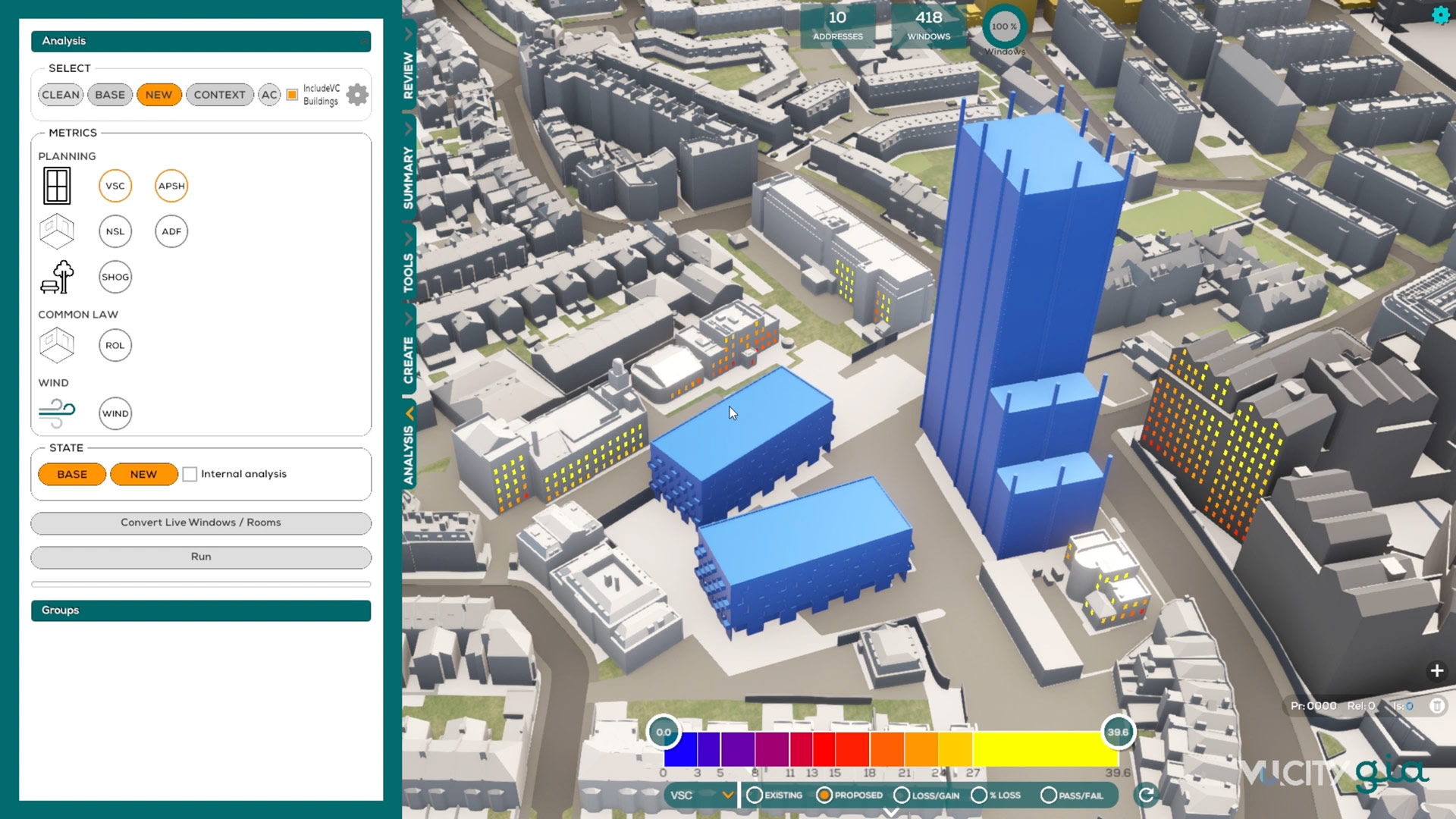
To reduce hazards and avoid litigious disputes regarding right of light, property developers must engage in comprehensive strategy from the beginning. Carrying out a light rights assessment early in the development process facilitates the detection of potential problems that could occur from neighboring land. By understanding how proposed developments might influence existing light levels, developers can proactively handle any issues and change their plans accordingly.
Frequent communication with both right of light experts and adjacent property owners can also lessen threats. Engaging in discussions about potential changes can help explain the effects on light rights, leading to misunderstandings that may lead to conflicts. This joint approach not only cultivates better community relationships but also guarantees that all involved individuals are aware of their rights and any potential modifications that might impact light rights.
In conclusion, keeping good records and legal counsel throughout the development can significantly lessen the likelihood of litigation arising. Accurate records of evaluations, plans, and communications with involved parties serve as a insurance in case litigious challenges arise. Ensuring compliance with light rights regulations and rules sets a strong platform that safeguards against litigious claims, ultimately conserving time, money, and resources in the long run.