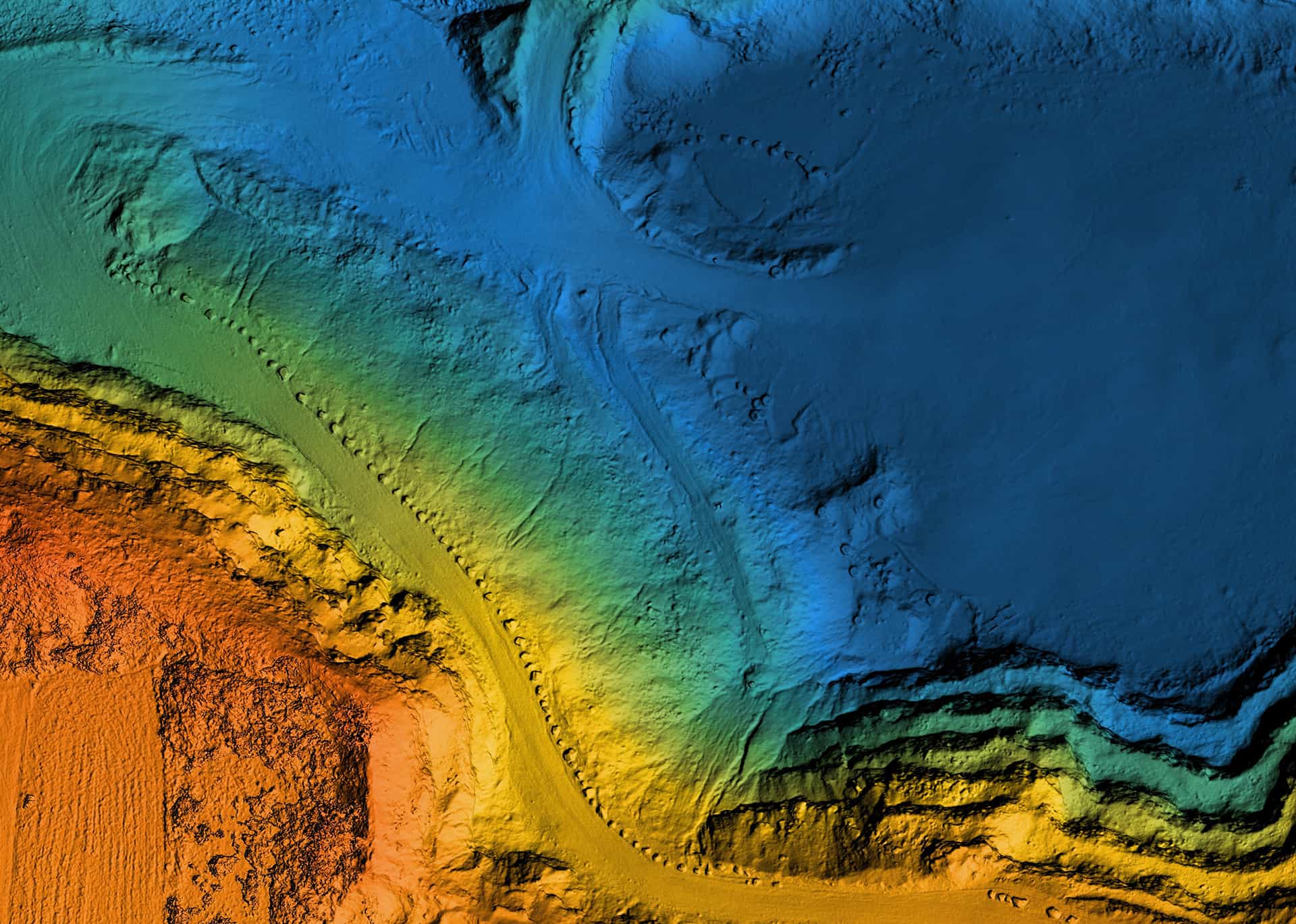
In recent years, drone technology has revolutionized numerous fields, and surveying is included among them. Conventional surveying methods often involve extensive manpower, complex equipment, and lengthy processes. However, with the emergence of drone surveys, the landscape has significantly changed. Drones equipped with cutting-edge imaging technology offer a more rapid, more secure, and more efficient way to acquire data and create comprehensive maps, making them an essential tool for construction, land development, agriculture, and more.
As we explore the advantages of drone surveys, it becomes clear why they are swiftly becoming the go-to option for professionals across multiple industries. From enhancing the reliability of topographical mapping to supplying critical insights for crop management and environmental monitoring, drone surveys are helping to simplify processes and improve decision-making. In this article, we will delve into the various factors to consider drone surveys for your next project and examine how they are transforming the future of surveying and beyond.
The Advantages of Drone Surveys
UAV surveys offer unparalleled effectiveness by drastically reducing the time needed to complete a project. Go here surveying methods often involve considerable labor and ground-based assessments, which can be both lengthy and labor-intensive. In contrast, UAVs can quickly capture large areas with high accuracy, allowing teams to collect data quickly and move on to the next step of a project. This speed not only enhances operations but also enables companies to meet tight deadlines and boost overall efficiency.
Another significant benefit of UAV surveying is the cost savings associated with their use. By minimizing the need for elaborate equipment and large-scale labor, organizations can significantly cut their surveys costs. The ability to cover vast landscapes in a fraction of the time translates into lower labor costs and fewer resources spent on travel and equipment maintenance. These cost reductions can be pivotal for small businesses or projects with constrained budgets, allowing for reallocation of funds to alternative important areas.
Safety is a paramount concern in many industries, and UAV surveying enhance safety in the field by reducing the need for personnel to access hazardous or inaccessible locations. Tasks such as roof inspections or infrastructure assessments can be performed from the ground or with minimal aerial assistance, thereby safeguarding workers from potential accidents. This emphasis on safety not only safeguards employees but also helps organizations comply with regulatory standards, encouraging a culture of safety awareness throughout the enterprise.
Comparing UAV versus Conventional Surveying Methods
Drone surveys versus conventional techniques both have unique benefits and drawbacks that impact their application in various projects. Traditional surveying, which typically utilizes tools like total stations and measurement devices, can provide highly precise measurements but often demands significant time investment and labor. In contrast, UAV surveys are capable of covering large areas quickly and gathering large quantities of data in a fraction of the time, which can lead to enhanced efficiency as well as reduced costs for undertakings that require extensive site analysis.
A key the major differences between the approaches lies in the techniques used. Traditional surveying often needs on-site presence at the location and involves physical data collection, which can pose hazards in dangerous environments. UAVs, fitted with cameras and sensors as well as sensors, can safely access remote areas, reducing the risk for field workers. Additionally, UAVs employ cutting-edge technologies such as photogrammetry and LiDAR to produce highly detailed and accurate 3D models, which can improve the standard of the information gathered compared to traditional methods.
Moreover, the combination of drone survey data into modern digital platforms makes data analysis and report generation more efficient. While conventional techniques may require manual data entry and processing, drone surveys allow for smooth integration with computer-aided design software as well as various digital tools. This feature not only optimizes the process but also improves teamwork among project stakeholders, facilitating better decision processes as well as project planning compared to the more segmented approach often seen with conventional survey methods.
Future Innovations of Drone Technology in Land Surveying
Progress of UAVs is ready to transform the land surveying industry even more. As advancements in AI and machine learning continue to improve, drones will become capable of executing tasks of greater complexity independently. This includes enhanced data analysis capabilities that can create comprehensive assessments in real time, minimizing the need for extensive amounts of post-processing by human workers. The combination of artificial intelligence and UAVs could facilitate predictive analytics, providing improved planning and risk evaluation in various surveying endeavors.
Moreover, as battery technology advances, the operational time and capability of drones will expand significantly. This advancement will permit surveyors to cover bigger spaces without the requirement for regular recharging, thus enhancing effectiveness in completing projects. Likewise, the introduction of swarming technology may allow various drones to work simultaneously on a particular survey site, gathering data from multiple perspectives and assessments, further augmenting the depth and precision of the data acquired.
Cooperation between drone developers and land measurement specialists will expectedly lead to new innovations tailored specifically for the sector. Next-generation drones may feature sophisticated measurement devices and visual analytics that offer enhanced perspectives into geographical elements and attributes. As regulations regarding drone usage become simplified and favorable, a greater acceptance of drones in surveying can be foreseen. This transformation can lead to significant enhancements in project delivery timelines, budgetary efficiency, and risk management, ensuring a revolutionary future for surveying techniques globally.