

Lately, the push for sustainability has transformed many facets of our daily lives, like the way we cook and heat our homes. Eco stoves have emerged as one of the most breakthrough solutions in this green revolution. Designed to minimize environmental impact while maximizing efficiency, these stoves are not just about reducing emissions; they offer a variety of benefits that can enhance our lifestyles. From enhancing indoor air quality to reducing on energy bills, eco stoves symbolize a significant step toward a more sustainable future.
As homeowners and environmental enthusiasts seek to minimize their carbon footprints, the conversation between traditional and eco-friendly cooking methods has become ever more relevant. In this article, we will examine what eco stoves are, how they work, and the numerous advantages they offer. We’ll also look into the distinctions between eco stoves and their traditional counterparts, as well as the possible savings and benefits that come from making the change. Whether you are looking to embrace sustainable living or simply looking to upgrading your kitchen, eco stoves provide an thrilling opportunity to cook green while enjoying modern amenities.
Understanding Eco Stoves
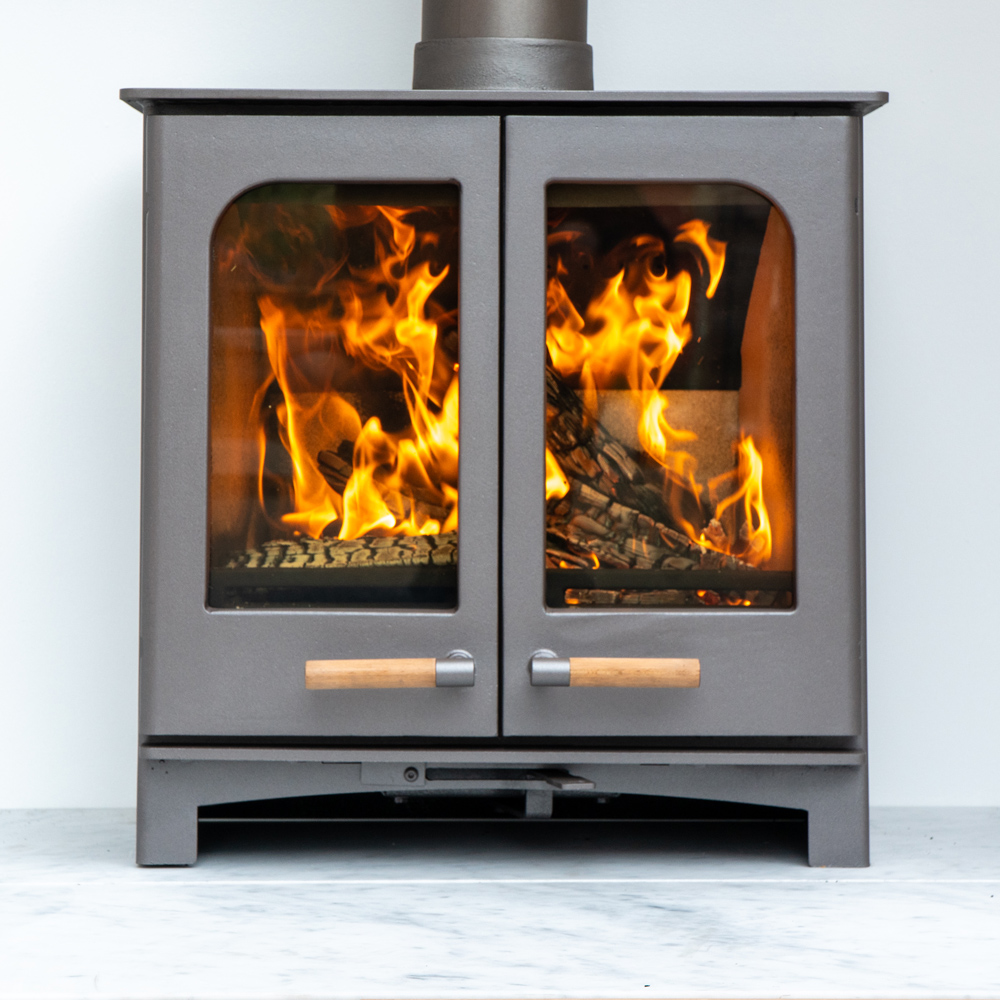
Sustainable heating appliances are uniquely designed heating appliances that focus on green solutions while providing optimal heating and cooking methods. Unlike traditional stoves, which often rely on traditional fuels or wasting combustion techniques, eco stoves make use of innovative technology and sustainable materials, such as wood pellets or organic matter. This does not only cuts down dependence on fossil fuels but also lowers harmful emissions, making them a healthier alternative for both indoor and outdoor cooking.
The primary purpose of an ecological stove lies in its ability to enhance fuel efficiency and reduce waste. A variety of modern eco stoves feature innovations like double combustion, which allows for a better burning of fuel. This procedure results in less smoke and greater thermal output, ensuring that you get the most energy from every pellet or log. Eco stoves also feature superior heat retention and heat retention, which leads to a smoother culinary process and reduced power consumption.
Transitioning to an eco stove can markedly impact energy bills and overall carbon footprints. By adopting superior fuel technology and eco-friendly fuels, these stoves help homeowners save fuel expenses over the long run. Additionally, a number of eco stoves are eligible for incentives or rebates or rebates, which further enhancing their attractiveness as an alternative for environmentally conscious consumers. As worries about environmental impact and energy consumption grow, these appliances represent a innovative solution for modern living.
Benefits of Eco Stoves
Eco stoves offer a multitude of advantages that extend beyond just aesthetic appeal. One of the key advantages is their enhanced energy efficiency. In contrast to traditional stoves, which often waste energy and fuel, eco stoves are designed to use advanced technology that enhances heat output while minimizing fuel consumption. This efficiency not only helps owners of homes save on energy bills, but it also means that less fuel is required for cooking, leading to a greener lifestyle.
Moreover key benefit of eco stoves is their beneficial impact on indoor air quality. Many traditional stoves release harmful emissions and particulates into the home, which can lead to respiratory issues and other health concerns. Eco stoves are engineered to produce cleaner combustion, resulting in less pollutants released into the home environment. This is particularly important for families, as maintaining a healthy living space is crucial for overall wellbeing.
Additionally, eco stoves contribute to a minimization in environmental impact, aligning with increasing concerns about climate change. By utilizing sustainable energy sources, such as biomass and pellets, these stoves help lower carbon footprints and diminish dependence on fossil fuels. This transition not only benefits the environment but also supports eco-friendly living initiatives, making eco stoves an important choice for the eco-conscious consumer.
Eco Stoves vs. Standard Stoves
The distinctions between environmentally friendly stoves and standard stoves go past mere aesthetics. Traditional stoves, often fueled by fossil fuels or inefficient combustion techniques, tend to emit higher levels of carbon monoxide and other pollutants. In contrast, environmentally friendly stoves are designed with advanced combustion technology, allowing them to burn fuel more cleanly and efficiently. This not only minimizes harmful emissions but also encourages better air quality in and around homes.
Another key difference lies in energy efficiency. Standard stoves can consume a considerable amount of fuel for limited heat output, resulting in increased energy bills. Green stoves, on the other hand, make use of state-of-the-art materials and designs that optimize heat retention and distribution, ensuring that homeowners get the most out of every unit of energy burned. Consequently, many users find that the initial investment in an eco stove recoups over time through decreased energy costs.
Finally, the environmental impact of these stoves is a crucial factor to consider. While traditional stoves contribute to the loss of forests and greater greenhouse gas output, eco stoves often use sustainable fuel sources like sustainable wood, which can be regenerative. Helpful resources with sustainable practices makes environmentally friendly stoves a more desirable choice for those devoted to reducing their carbon footprint and supporting environmentally friendly initiatives in their communities.