

Steering through the challenges of property development commonly demands a keen understanding of multiple legal considerations, such as the right of light. This expression refers to the legal right of a property owner to obtain sunlight through particular openings or doors in their building. As metropolitan areas change and areas become increasingly competitive, grasping and managing light rights has become essential for builders and property owners alike.
In this guide, we will discuss the importance of right of light consultants and how they can deliver valuable insights throughout the development process. From evaluating potential light-related issues before commencement of work to navigating the complexities of permitting processes, these experts help reduce threats associated with daylight obstruction. Whether you are a seasoned builder or new to the industry, comprehending the key components of right of light can greatly influence your project's success and the harmony of neighborhood relations.
Understanding Right of Light
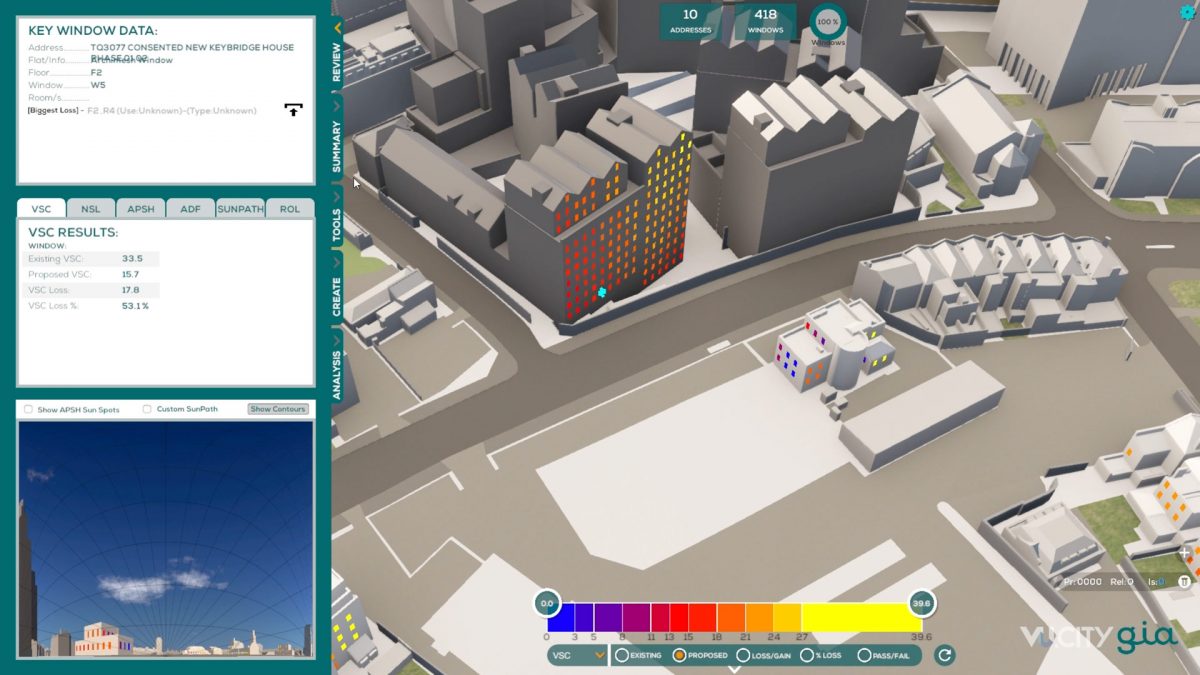
The right to light refers to the juridical claim of a property owner to obtain natural light through defined openings in their property, such as fenestrations. This right is not absolute and can be affected by various considerations, including the location of surrounding buildings. A right of light can be obtained through prolonged use, typically over a period of 20 years, where the light has been enjoyed in a consistent manner. Understanding this right is imperative for property developers as it can significantly impact their endeavors.
The significance of right of light becomes evident when considering the effects it has on development and development. If a new building obstructs the light to a neighboring property, the affected owner may bring forth a claim. This can halt or postpone development, lead to expensive legal disputes, and even require compensation to be paid to the neighboring property owner. Hence, assessing the right of light at an early stage in the planning process can ensure time and resources, guaranteeing that developments advance efficiently.
To efficiently manage right of light issues, property developers often engage with experts who focus in this area. These consultants analyze and review light conditions, provide advice on planning applications, and help address potential disputes. By working together with a right of light consultant, developers can effectively lessen risks associated with their ventures and maintain positive relationships with neighboring properties, ultimately leading to more favorable developments.
Light Rights Evaluations
Right of light assessments are crucial evaluations conducted to determine whether a proposed development will violate the established rights of neighboring properties to receive natural light. Find more info involve comprehensive analysis and calculations of light levels around the site, taking into account both existing structures and planned developments. A thorough assessment identifies possible daylight and sunlight impacts, aiding to foresee any complications that might arise during the planning process.
The process of conducting a right of light assessment typically includes several steps, such as evaluating the current light conditions, analyzing the shadow patterns of existing and proposed structures, and utilizing proprietary software to simulate the impact of the new construction. Experienced surveyors or consultants conduct these tasks to deliver reliable findings. Their expertise is crucial in analyzing the results to ensure compliance with the legal framework surrounding rights of light and to recommend on mitigation strategies if necessary.
By commissioning a right of light assessment early in the development process, property owners and developers can reduce risks associated with potential disputes. Grasping the implications of the assessment can lead to preemptive measures that can help modify building designs or layouts to reduce impact. This insight not only aids in gaining planning permission but also fosters positive relationships with neighbors, lessening the likelihood of claims that could delay or halt construction projects.
Effects for Real Estate Development
Grasping the consequences of right of light is essential for property developers as it can considerably affect the viability of a project. Overlooking this aspect may lead to costly issues or even project halts if a neighboring property claims their light entitlements is being compromised. Proficient handling of right of light issues can boost cooperation with stakeholders and streamline the building workflow.
Right of light evaluations should be an essential part of the assessment process before completing a development location. By spotting potential issues in the early stages, developers can modify their designs to reduce light loss impacts, reducing the likelihood of claims from adjacent properties. This anticipatory strategy not only preserves time and efforts but also cultivates a more positive connection with the local populace.
Moreover, successful navigation of light rights regulations can strengthen a builder's image in the industry. Consulting a right of light expert early on demonstrates a dedication to adherence to laws and community needs, likely leading to smoother planning permissions and favorable conclusions. Grasping these effects ultimately shapes better decision-making and risk management throughout the building process.