Clogged drains are a common household headache that can interrupt daily routines and create bad smells. From the kitchen basin to the bathroom shower, understanding how to efficiently tackle these nuisances can save you hours, cash, and stress. By discovering a couple of simple DIY tricks, you can eliminate clogs and keep your plumbing running well.
In this article, we will discuss 7 practical and successful drain cleaning techniques you can easily use at home. Whether you are dealing with a slow kitchen sink, a stubborn shower drain, or even a toilet with flushing issues, these methods will help you take back control. We will also touch on the frequent culprits of clogged drains and provide tips to avoid upcoming clogs, ensuring your home stays clear of clogs. Let’s explore the world of DIY drain cleaning and empower you to manage your plumbing like a pro.
Typical Reasons of Blocked Drains
Obstructed drains can be a nuisance, and they often occur due to a blend of issues. One of the most typical reasons is the collection of hair, soap scum, and personal care products in bathroom sinks and shower drains. With time, hair can create a solid mass that traps other material, leading to significant blockages. It’s essential to consistently clear out hair strands and use drain covers to minimize this issue.
In sinks in kitchens, grease buildup is another typical culprit. When cooking, oils and greases can wash down the drain, where they solidify and solidify inside the pipes. These hardened fats cling to pipe walls and attract food remnants, ultimately creating clogs. To prevent this, it's critical to get rid of cooking grease properly and frequently clean the sink and disposal unit.
Another issue contributing to blocked drains is the presence of unwanted items. Items like leftover food, utensils, or cleaning cloths can accidentally get washed down, causing immediate blockages. This problem is particularly common in kitchen sinks and toilets. Educating household members about what should not be poured or disposed of can help minimize these occurrences significantly.
DIY Unclogging Methods
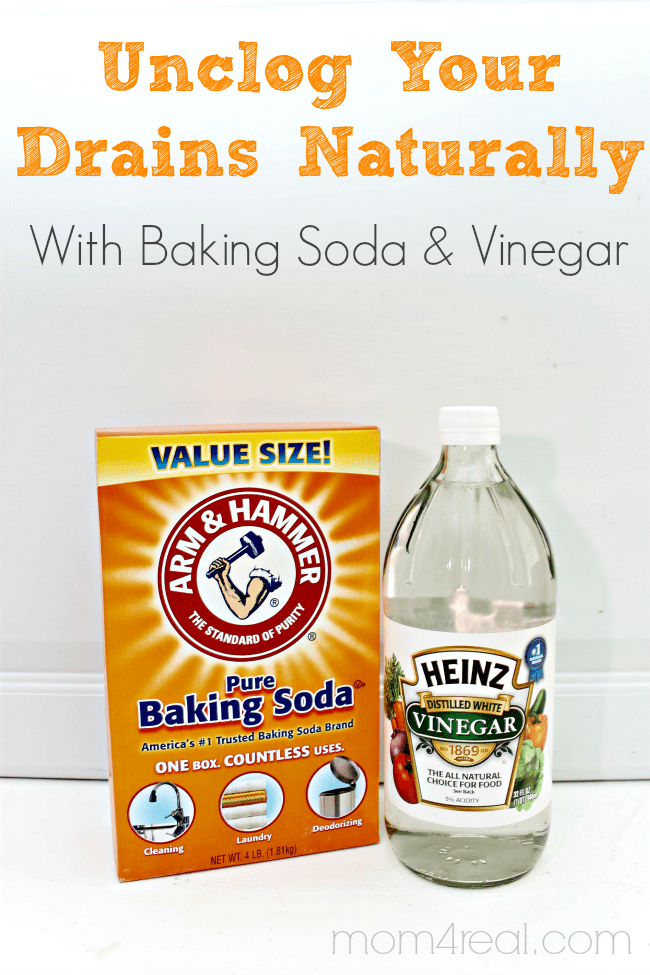
When faced with a obstructed drain, there are many effective do-it-yourself methods you can try before turning to professional help. One of the easiest methods involves using a combination of baking soda and vinegar. Begin by pouring a mug of baking soda down the drain, then adding a glass of white vinegar. Allow this mixture to fizz for about 15 minutes, then flush the drain with hot water. This mix creates a natural reaction that can help break down the buildup causing the obstruction.
A different useful technique is to use a plunger. While commonly associated with toilets, plungers can efficiently unclog kitchen and bathroom sinks too. Make sure there’s enough water in the sink to submerge the suction cup of the plunger. Create a firm seal and pump forcefully for about half a minute. This action can generate force that removes the clog, allowing it to move easily down the drain. If the plunger does not work, a drain snake can be your next best tool.
For grease-related clogs, pour a blend of hot water and dish soap down the drain. The hot water helps melt grease, while the dish soap serves as a detergent, decomposing the oily substance. After letting it sit for a few minutes, flush the drain with hot water to help wash away the loosened debris. These methods provide a good starting point for dealing with minor clogs before they escalate into greater issues.
Whenever to Call a Skilled Plumbing Expert
Understanding the right time to contact a professional plumber can conserve you hours, cash, and possible damage to your home. If you have attempted various DIY approaches to unclog your drain without results, it might be a sign that the clog is too severe or located far within the pipes. https://drainagecontractorscumbria.co.uk/ that seem to reappear often could suggest a more critical underlying problem that requires expert attention.
Additionally, if you notice any signs of moisture issues, such as wet spots on surfaces or ceilings, or if sewage is backing up into your drains, it is important to act quickly. These situations can lead to serious health risks and expensive repairs if not dealt with in a timely manner. A skilled plumbing expert can diagnose problems that are not easily apparent and provide effective solutions.
Lastly, if you're uncertain about the condition of your pipes or if you think roots or other significant blockages are the cause of your blocked drains, reaching out to a professional is recommended. They have the equipment and knowledge, such as drain cameras, to evaluate the situation accurately and suggest the best course of action.