

A beautiful smile can be among the key assets in both personal and personal and career life. When dental elements are missing or injured, it can significantly influence not only appearance but also confidence and overall wellness. Dental implants have come forth as a groundbreaking solution, providing an chance for individuals to reclaim their grins and reclaim their confidence. Investing in your oral health through implant restoration is not solely about appearance; it extends to long-term functional benefits that can improve your life experience for years to come.
In this article, we will discuss the different aspects of tooth implants and their revival procedure. From comprehending the differences between tooth implants and bridges to the recent advancements in tech that boost outcomes, we aim to furnish you with necessary knowledge. Regardless of whether you are considering this treatment for a single tooth or a full mouth restoration, we will guide you through the complete journey, including anticipations during consultations and rehabilitation, as well as the upkeep required for long-lasting results. Come us as we delve into the life-changing effects of tooth implants and the benefits they offer in rehabilitating both your smile, but your confidence and health as well.
Key Information Regarding Dental Implants
Tooth implants are prosthetic solutions intended to replace missing dental structures, consisting of a metal post that is surgically inserted into the jawbone to serve as a root for a replacement dental piece. They are gained fame due to their durability, functionality, and aesthetic appeal. If adequate care, dental implants may last a lifetime, making them a valuable investment for long-term oral health. Unlike conventional dentures or bridges, implants are stable and do not shift, offering a natural sensation and look.
The process of getting dental implants involves multiple phases, starting from an initial consultation to assess eligibility, which is followed by imaging and planning, the surgical placement of the implant, and finally attaching the crown or artificial tooth after recovery. This thorough approach ensures that the implants are located accurately and bonded with the bone, which is essential for their success. Advanced technology, such as 3D imaging, has greatly improved the accuracy and results of these procedures, enabling more individualized treatment plans.
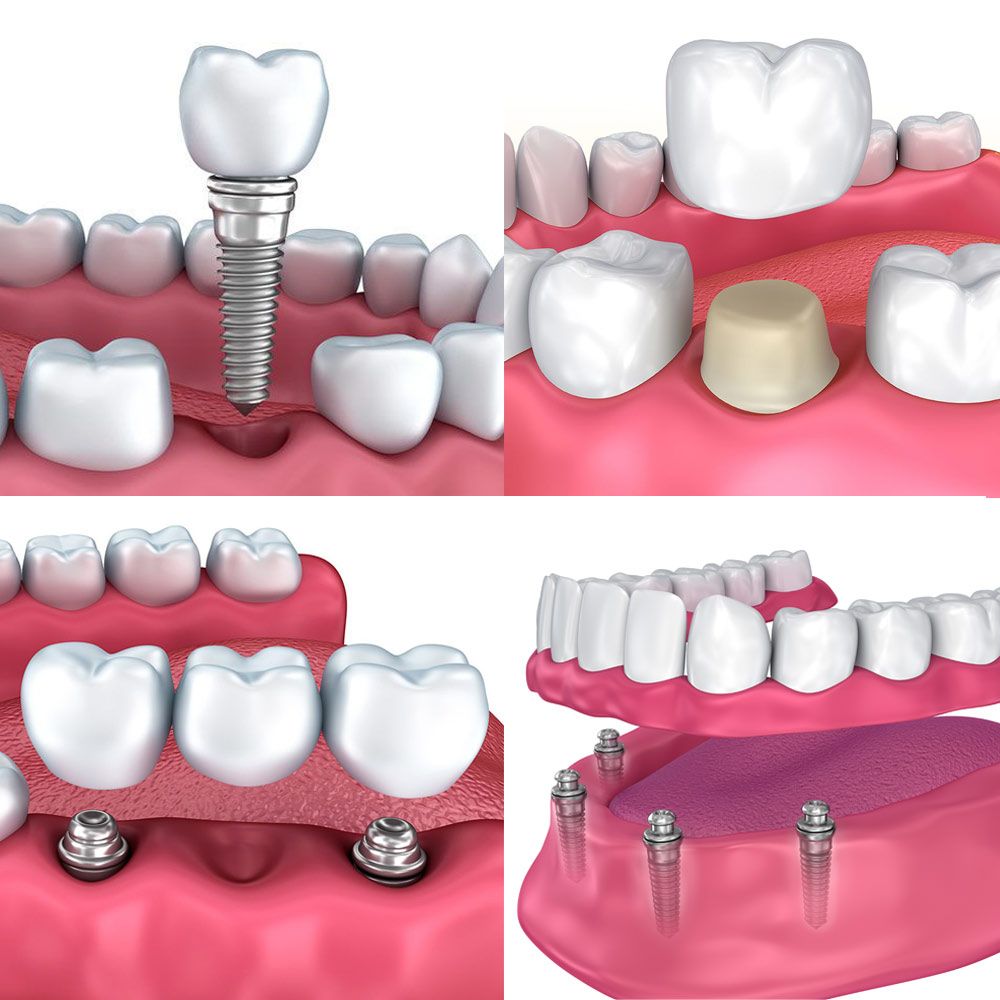
Although dental implants offer many benefits, they are not suitable for all patients. Factors such as bone density, overall health, and personal habits can affect candidacy for dental implant surgery. For patients considering this option, discussing their particular situation with a certified dentist is important. Understanding the benefits and considerations surrounding dental implants will assist potential patients in making well-informed decisions about restoring their smiles and improving their confidence.
The Dental Implantation Procedure
This dental implantation process starts with a comprehensive evaluation where your dentist assesses your dental condition and conducts required imaging. This initial stage is essential for assessing if you are a suitable candidate for implants. Elements such as jawbone density and general gum health will be analyzed, and if needed, bone grafting may be suggested to ensure a solid foundation for the implant.
After you are deemed an appropriate candidate, the first step of the procedure entails the surgical placement of the implant itself. This titanium post, that acts as a new tooth root, is firmly inserted into the jawbone. Once the implant is placed, a recovery period ensues, lasting can take months. During this time, the implant merges with the bone in a process referred to as osseointegration, ensuring stability for the upcoming restoration.
After the healing process is finished, the final stage includes attaching the abutment and the crown. The abutment acts as a link between the implant and the crown, which is specially designed to blend seamlessly with your natural teeth. This final restoration not only improves your smile but also reinstates your ability to eat and talk comfortably, making a significant difference in your daily life.
Benefits and Factors
Considering dental implants offers numerous advantages that can greatly enhance your quality of life. One of the main advantages is the restoration of not just your grin but also your confidence. With dental implants, patients can enjoy a natural-looking look and enhanced oral functionality, allowing for easier chewing and talking. This increase in self-esteem often translates to more social interactions and general contentment with oneself.
While the advantages are substantial, it's crucial to think about the factors involved in obtaining dental implants. The process requires careful planning and may include preliminary treatments such as bone grafting if there is insufficient bone density. Additionally, the process may take several months from the first consultation to the final restoration. Understanding the schedule and criteria is important for anyone considering this commitment in their oral health.
Cost is another important consideration associated with dental implants. While they may be more expensive than other treatments like dental bridges or dentures, their long-term strength and the advantages they provide often warrant the expense. Patients should weigh the costs against the benefits, such as improved oral health and a permanent solution to missing teeth. sedation options for dental implant patients can lead to significant improvements in both bodily and emotional well-being over time.