

In today’s dynamic learning landscape, fostering a love for STEM education, engineering, and engineering, or STEM, in early learners has become vital. One of the most exciting ways to fuel this interest is through the use of these magnetic toys. These vibrant, versatile toys not only provide hours of engagement but also serve as effective tools for education. From creating simple shapes to constructing complex structures, magnetic blocks empower children to discover key concepts in physics, creative thinking, and geometry, making them the ultimate STEM toy.
The attraction of magnetic blocks lies in their ability to combine learning with fun. Children are naturally curious and imaginative, and these blocks give them to express their ideas while honing their analytical skills. Whether it’s on a rainy day inside or as part of a classroom engagement, magnetic blocks provide limitless opportunities for creative play. As we explore the world of magnetic construction toys, we will reveal imaginative ways kids can engage with them, their positive impacts for young learning, and how they can foster collaborative interaction in families and classrooms alike.
Imaginative Education with Magnetic Building Sets
These magnetic building sets are more than just fun toys; they serve as powerful tools for creative exploration in young learners. By interacting with the vibrant, versatile shapes, kids can investigate concepts of geometry, balance, and stability. As they work with the blocks, they begin to grasp spatial relationships and develop their building skills. This practical experience is crucial for grasping complex STEM concepts in a way that is intuitive and enjoyable, setting a foundation for future learning.
In addition, magnetic blocks encourage inventive play, allowing children to create anything from simple structures to complex designs. This creative process encourages not only creativity but also critical thinking as kids confront challenges and improve their creations. They try out various arrangements and learn what works, honing their problem-solving abilities in the process. The flexible nature of magnetic blocks makes them ideal for tailored learning experiences, addressing each child’s unique interests and skills.
In conjunction with fostering creativity, magnetic blocks promote collaboration among peers. When children work together to design and build structures, they learn valuable social skills like communication and cooperation. Group activities with magnetic blocks can result in discussions about different building techniques, materials, and architectural styles, thereby enriching their understanding of the world. As they exchange thoughts and overcome challenges collectively, kids not only enhance their practical skills but also build friendships through shared experiences.
Advantages of Magnetic Blocks in Teaching
Magnetic blocks offer a special educational journey that fosters hands-on learning and discovery. Through their inviting and colorful designs, they capture children's attention and motivate them to experiment with structure and design. As children interact with the magnets to construct various shapes and structures, they learn fundamental principles of geometry and physics in a playful and hands-on way. This tactile learning approach is important for young minds, as it strengthens theoretical concepts through practical application.
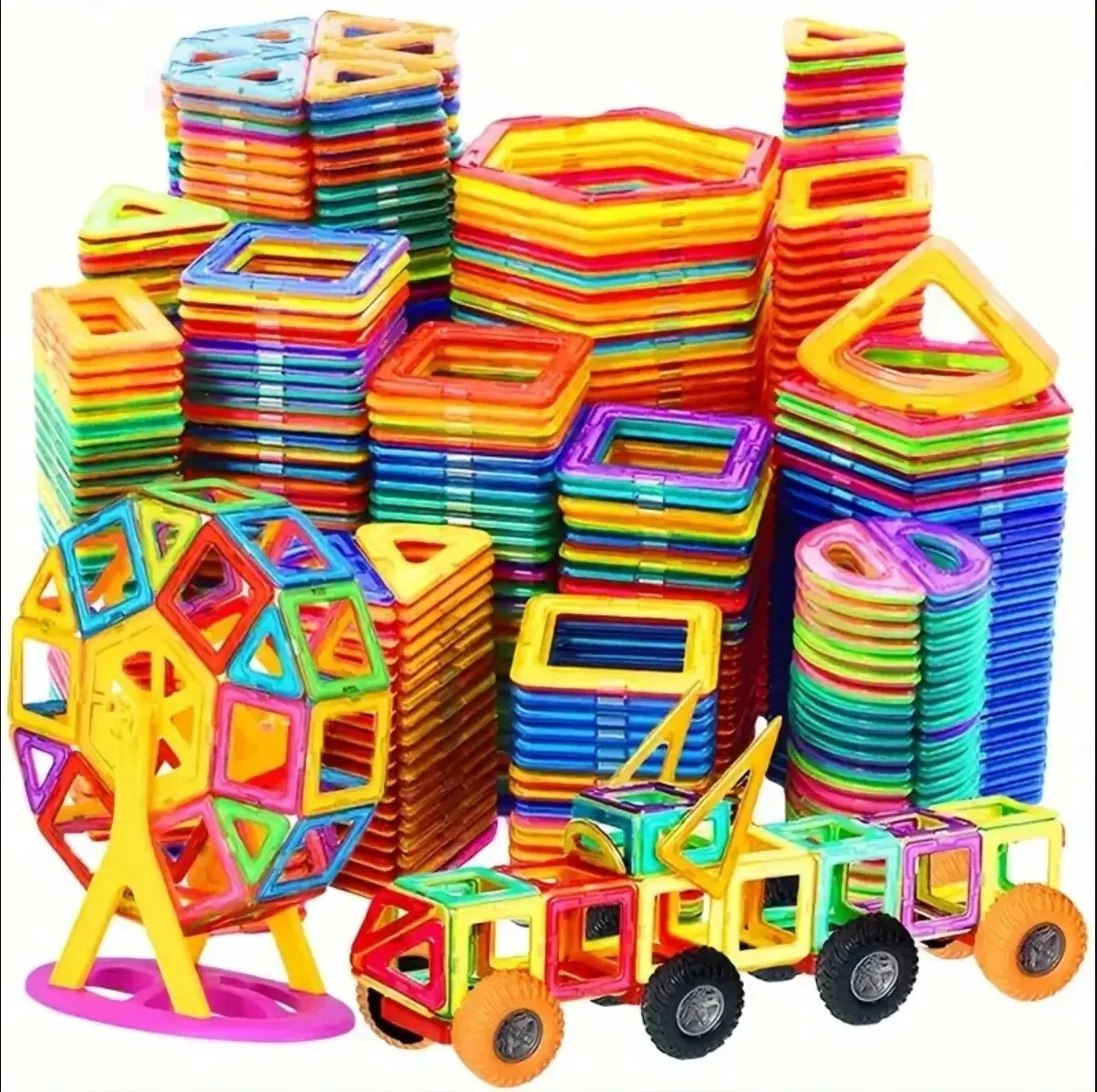
An additional significant benefit of magnetic blocks is their ability to improve critical thinking skills. When faced with the challenge of building certain structures or designs, children are prompted to think analytically and systematically about their approach. They learn to assess ideas, make adjustments, and iterate on their designs, which nurtures a developmental mindset. This type of play fosters determination and grit, as kids learn to navigate obstacles during the building process, ultimately preparing them for practical problem-solving situations.
Furthermore, magnetic blocks support collaborative play, which is critical in an educational setting. When children work together on construction projects, they hone social skills, collaboration, and negotiation skills. Sharing ideas and resources encourages them to listen to each other and cultivate social skills. Educators can utilize those moments in the classroom to encourage discussions around teamwork and creativity, turning magnetic blocks not just a tool, but a effective educational tool that promotes both cognitive and social development.
Opting for and Sorting Magnetic Blocks
As you are picking magnetic toys, you should to consider the age group and growth of your kids. For younger children, choose sets with larger pieces that are simple to use and have no choking risk. Choose brightly colored blocks that can hold their attention and encourage creative play. As they mature, they may prefer more advanced sets that feature extra pieces and accessories, encouraging advanced building techniques and creativity.
Keeping organized is essential in maintaining your blocks. Employing clear bins or containers can assist in keeping the blocks neatly arranged and easily accessible. Marking bins by color or shape can also speed up finding specific blocks and more engaging for children. Establishing a routine for putting the blocks away after using them not only keeps the space tidy but also instills care and care for their belongings.
Fostering collaborative play with magnetic blocks can transform building time into social activity. Establish Minecraft Blocks designated building area where your children can have friends or family to join in the fun. As they share ideas, children can learn teamwork and communication while building bigger structures. Make sure there’s sufficient space for everyone to participate comfortably and share the magnetic blocks, creating a space full of creativity and problem-solving.