

Designing a beautiful outdoor area not just improves the beauty of your residence and also supports the environment when executed in a sustainable manner. In Have a peek here of ecological concerns, eco-friendly landscape design approaches are even more pertinent than ever. From choosing native flora to adding hardscaping that lessens water consumption, there are numerous ways to create a beautiful backyard that cultivates both the environment and your private oasis.
In this post, we will investigate various landscape design ideas and tactics that cater to different tastes and space constraints. Whether you have a sprawling yard or a compact front space, our guide will provide insights into converting your outdoor area into a serene retreat. With a focus on green practices, we aim to empower you with the information to make wise choices that represent your taste while being considerate of the planet. Prepare to dive into an array of design concepts that balance visual appeal with environmental stewardship.
Key Landscape Design Concepts
When it comes to changing your exterior space, the crucial aspect lies in balancing aesthetics and practicality. One essential idea is to integrate fluid shapes and natural materials that enhance your home’s architectural style. This approach helps create a smooth transition between your indoor and exterior areas. For instance, curving pathways made from rock or pebbles can add a sense of movement and lead visitors through the landscape, while local plants can enhance the ecological health of your garden.
Another important aspect to reflect on is the use of hard landscape elements such as courtyards, decks, and retaining walls. Hardscaping not only provides structure and organization to your garden but also establishes spaces for socializing and relaxation. Think about adding features like pergolas or trellises, which can mark areas while adding height and aesthetic appeal. Such elements are particularly useful in small yards, where multi-functional spaces can optimize utility without overwhelming the environment.
In conclusion, illumination plays a key role in landscape design, allowing you to highlight your yard's charm after sunset. Strategic placement of exterior lighting can illuminate pathways, showcase plants, and create mood for evening gatherings. Incorporating energy-efficient lighting options not only enhances safety but also aligns with green practices, keeping your outdoor area appealing and sustainable. Adopting these key design ideas will help you create a beautiful backyard that reflects your style and promotes relaxation.
Revamping The Exterior Space
Changing the outdoor space begins with grasping the personal style and the needs of your environment. Consider the activities one want to enjoy in this space, whether it's a calming area for reading, a place for family gatherings, or a colorful garden for entertaining. Establishing these priorities will assist one create a design that is both functional and visually appealing. Collect inspiration from a variety of sources, such as magazines, websites, and nature around you, to visualize how one's ideas can merge in the yard.
Then, concentrate on the design and flow of the space. The organization of pathways, seating areas, and plant beds should encourage movement and interaction, making it inviting for family and guests. Think about incorporating elements such as patios, decks, or pergolas to create unique zones within the landscape. Using varied materials and textures can enhance the visual interest, while also ensuring that the outdoor area feels cohesive and seamlessly blended with the adjacent environment.
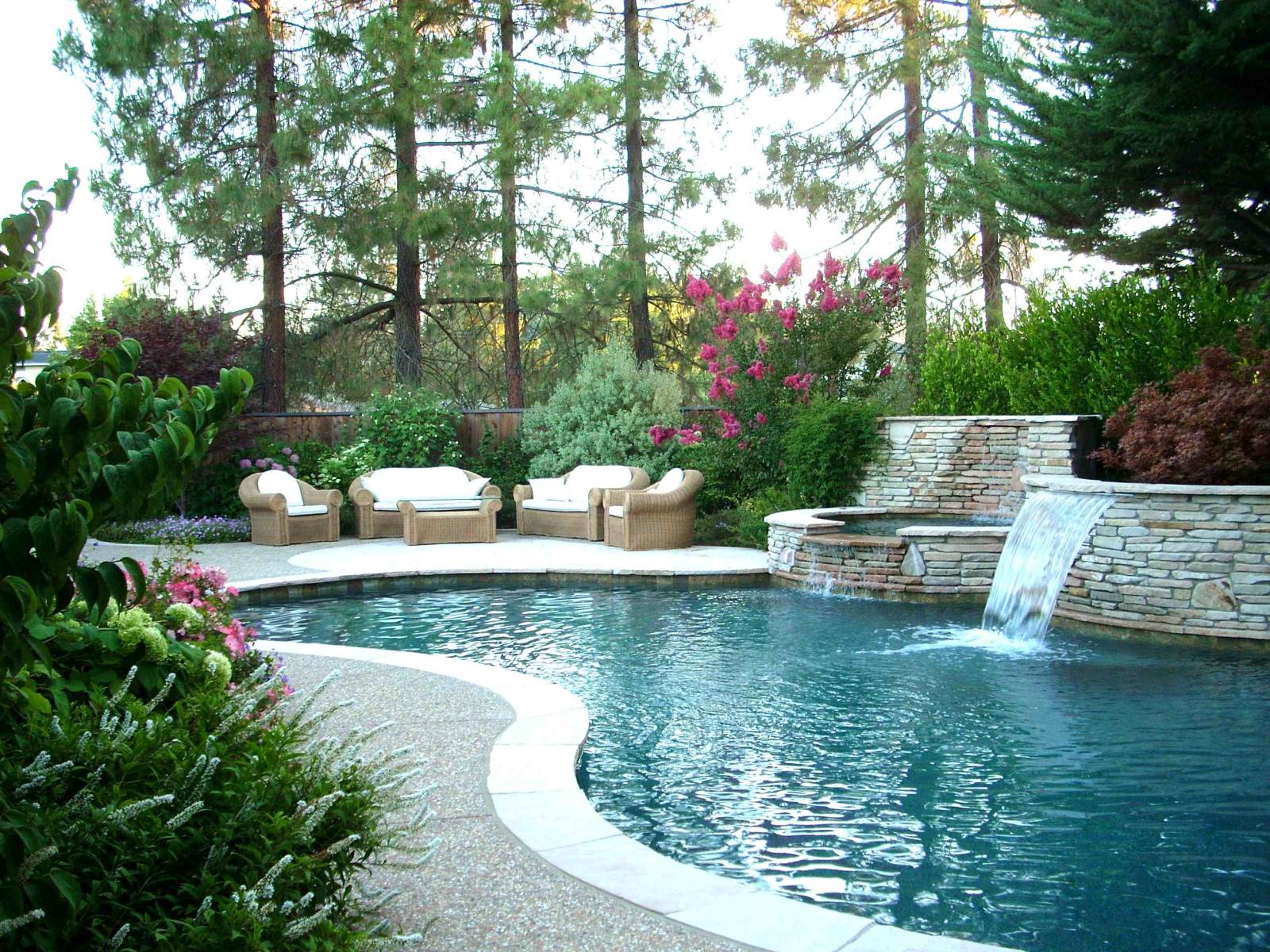
Finally, prioritize sustainability when executing the landscaping plan. Choose native plants that require less water and maintenance, and incorporate hardscaping features like permeable pavers to manage rainwater. Incorporating eco-friendly practices, such as composting or creating an edible garden, not only benefits the environment but also enhances the beauty of your outdoor space. With thoughtful planning and a focus on sustainability, you can create an outdoor sanctuary that reflects your style while harmonizing with nature.
Green and Cost-Effective Options
Creating an green landscape does not have to be expensive. One of the most effective strategies is to include indigenous plants into your design. Local plants are adapted to the regional climate and soil conditions, requiring less water and maintenance than non-native species. By choosing indigenous vegetation, you can create a picturesque and green garden that aids local wildlife and reduces the need for chemical fertilizers or pesticides.
Integrating hardscaping features such as gravel paths, stone patios, or recycled materials can also beautify your outdoor space while promoting sustainability. These elements often require fewer upkeep compared to traditional lawns, and they offer individual aesthetic appeal. Using permeable materials for walkways and patios allows rainwater to infiltrate into the ground, reducing runoff and promoting groundwater recharge. This not only creates a chic outdoor space but also contributes positively to the environment.
Finally, consider crafting your outdoor area with easy-care features in mind, such as xeriscaping. This method focuses on using drought-resistant plants and minimizing turf areas, which can save both water and upkeep costs. Adding areas for edible landscaping also provides sustainable benefits while allowing you to enjoy homegrown produce. These varied and budget-friendly solutions can transform your landscape into an green haven that boosts both beauty and practicality.