

In, the demand for sustainable living is more important than ever, and a highly effective method homeowners can contribute is by installing solar panels. Embracing sustainability not only benefits the environment but also offers considerable financial savings on energy bills. Due to innovations in solar technology and the growing accessibility of do-it-yourself materials, many homeowners are now actively engaging in solar panel installation.
This article acts as your complete guide to navigating the solar panel installation process, whether you're considering it for the first time or seeking to enhance your existing setup. From understanding the financial considerations and advantages to step-by-step instructions on installation, we'll cover essential aspects that ensure your solar project is a success. Prepare to embark on a journey towards energy independence and discover how to choose the right panels for your property, what to expect during installation, and the many ways solar energy can boost your home's efficiency and value.
Understanding Solar Panel Installation
The installation of solar panels is a process that enables residential customers to capture renewable energy by transforming solar energy into power. It typically involves a set of steps, including site assessment, configuration, licensing, and the concrete installation of modules on the roof or earth. By grasping the principles of this method, residential customers can make informed decisions that match with their energy goals and cost constraints.
The selection of solar panels, power converters, and support structures can greatly influence the effectiveness of the installation. Homeowners must consider elements such as the kind of roof, angle, and solar obstruction when choosing solar equipment. Expertly designed engineered systems take these elements into account, ensuring optimal energy yield and sustained performance.
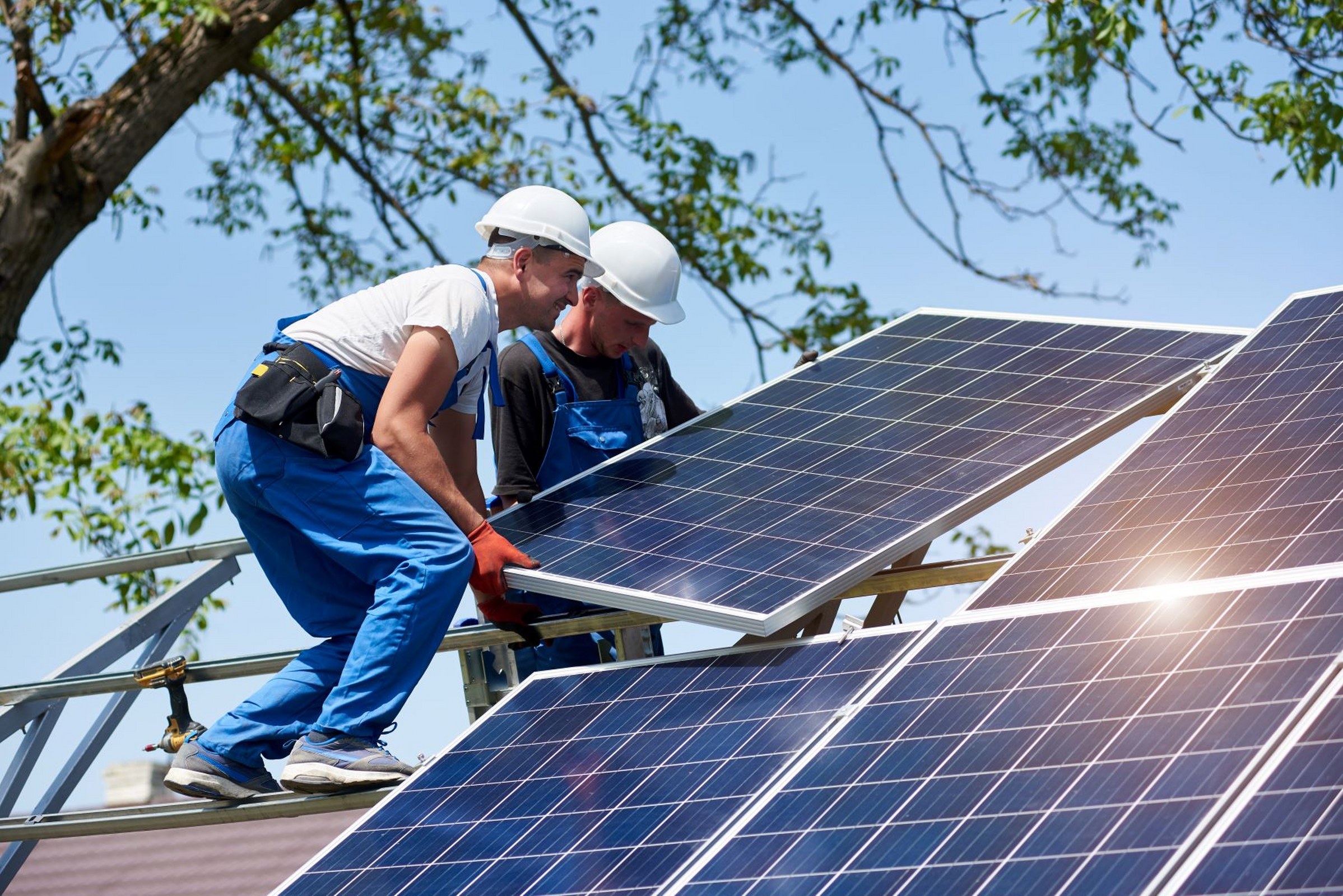
Additionally, the setup itself may differ based on whether a house is new or existing. For new constructions, integrating solar PV systems can be part of the entire design, while modifying existing houses may require additional adjustments. Recognizing these distinctions can help homeowners get ready in a more effective manner and maximize their investment in solar energy.
Benefits of Solar Energy
The use of solar energy offers numerous advantages, making it an ever more popular choice for homeowners. One of the major benefits is the decrease in energy bills. By utilizing sunlight to generate electricity, homeowners can lower their reliance on traditional energy sources, ultimately leading to substantial savings over time. Additionally, several jurisdictions offer incentives that lower costs, making solar energy more affordable.
Another vital benefit of solar energy is its favorable environmental impact. Utilizing solar panels helps diminish reliance on fossil fuels, which are a major source to greenhouse gas emissions. By opting for solar energy, homeowners can actively participate in fighting climate change and reducing their carbon footprint. This transition towards renewable energy sources not only benefits single homeowners but also contributes to a healthier planet.
Lastly, solar energy can enhance a home's value. Properties equipped with solar panels commonly witness higher resale values due to the interest for sustainable living options. Potential buyers are progressively viewing solar installations as appealing features, recognizing the long-term savings and environmental benefits they provide. As a result, investing in solar energy not only pays off through quick returns but also enhances property value in the long run.
Choosing the Right Solar System
Selecting the best solar system for your home is crucial to maximizing energy efficiency and achieving savings on your energy bills. Start by assessing your energy needs. Check at Solar Panel Installation Banbury to calculate your average monthly usage in kilowatt-hours. This information will assist you in choosing a system that can satisfy your demand. Additionally, consider your property's available roof space and orientation, as these factors impact the number of solar panels you can install and their overall performance.
When investigating different solar panel options, pay attention to the efficiency and warranty of the panels. Higher efficiency panels produce more electricity per square foot, which is helpful if space is limited. Investigate reputable brands and pay attention to the warranties offered, as these can suggest the longevity and durability of the product. It's also beneficial to compare different types of solar panels, including monocrystalline, polycrystalline, and thin-film, to find the best balance between cost, efficiency, and aesthetics for your home.
Finally, consult with a reliable solar installation company to gain insights tailored to your specific situation. They can provide a site assessment and suggest the appropriate solar system based on your energy consumption, roof characteristics, and budget. Don't hesitate to ask questions about their recommendations, financing options, and the installation process. This step guarantees you take an informed decision that aligns with your financial and environmental goals.