

Picking the best wheels for your commercial truck is a choice that can significantly affect your business's effectiveness, safety, and cost efficiency. With a vast variety of options spanning from cost-effective to luxury brands, making an informed selection is important. Whether you're traveling on long hauls across states or navigating local routes, the right wheels can improve fuel economy, upgrade handling, and eventually prolong the lifespan of your vehicle.
In this article, we will examine various aspects of semi-truck tires, including essential factors to think about when selecting your next selection, insights into leading brands renowned for their strength, and maintenance tips to assist you in getting the best from your purchase. We will also discuss the newest innovations in tire design, regulations you need to be aware of, and how the type of cargo you haul may dictate your tire choices. By understanding these elements, you can guarantee that your commercial truck is fitted with wheels that meet the demands of your particular driving conditions and business needs.
Determining the Appropriate Tires
Choosing the right tires for your semi-truck is crucial for optimizing performance and guaranteeing safety on the road. Considerations such as load capacity, tire type, and tread pattern all play essential roles in determining the most suitable fit for your particular hauling needs. Comprehending your freight and routes will help influence your decision-making process, allowing you to pick tires that not only support your vehicle's performance but also enhance fuel efficiency.
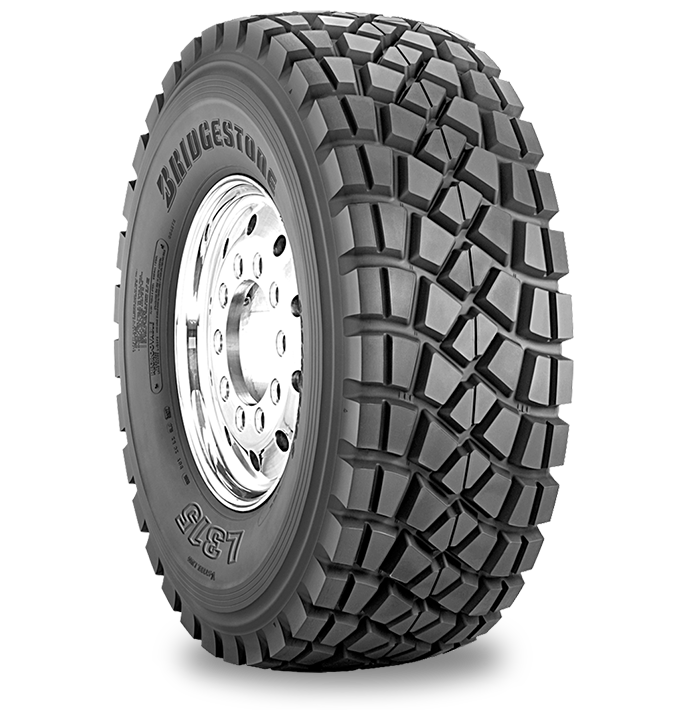
When it comes to semi-truck tires, you will typically choose between steer tires and drive tires. Steer tires are made for the front axles and provide superior control and handling, while drive tires are constructed for the rear axles to ensure traction and stability under loads. Additionally, all-season tires offer adaptability across multiple weather conditions, while winter tires provide better traction in icy or snowy environments. Therefore, thinking about where and how you primarily drive is essential in making the appropriate tire choice.
Another crucial aspect to take into account is tire maintenance and management. Proper tire inflation and regular inspections can significantly extend the life of your tires, preventing issues such as uneven wear and blowouts. Following to suggested DOT regulations and comprehending load ratings can further enlighten your choice and ensure compliance with safety standards. By paying careful attention to these factors, you can successfully select the ideal tires for your semi-truck, enhancing both performance and safety on the road.
Tire Care and Maintenance
Adequate maintenance and care of semi-truck tires are crucial for guaranteeing safety, performance, and durability. Consistently checking tyre inflation is one of the most critical tasks for lorry drivers. Low-pressure tires can lead to higher rolling resistance, reduced fuel efficiency, and even tire blowouts. It is important to maintain the suggested pressure levels, as outlined by the tire manufacturer, and to use a dependable tire pressure gauge. Additionally, keeping up with inspections for any damage visible, such as cuts or bulges, can help catch issues before they lead to serious problems.
Repositioning of semi-truck tyres is a further critical component of maintenance. Tyre repositioning helps to ensure even wear across all tires, which can greatly prolong their life. Usually, tires should be rotated every six thousand to eight thousand miles, but the frequency can change based on load and road conditions. It is important to follow the manufacturer’s recommendations regarding the positioning pattern, particularly for steer and rear tires, to maintain optimal performance and traction.
In conclusion, regular weight distribution and proper alignment are key to maintaining tire health. Imbalances can lead to inconsistent wear and affect the driving dynamics of the truck. A properly aligned vehicle not only ensures that the tires wear evenly but also improves fuel economy and handling. Fleet managers should make it a focus to conduct routine checks on tire alignment and balancing, particularly after any tire replacement or major road events. By taking these proper measures to heart, truck operators can preserve their expenditure in tires and improve road safety on the road.
Understanding Tyre Tech
The technology behind semi-truck tyres has developed significantly in modern years, centering on improving longevity, performance, and safety. Current tires are crafted with advanced materials and tread designs that boost traction, reduce rolling resistance, and encourage even wear. Features such as silica compounds, specialized tread patterns, and enhanced sidewall designs are tailored to meet the demands of long-haul transportation. These innovations not only extend the life of the tires but also add to better fuel efficiency and overall performance on diverse road conditions.
One of the crucial advancements in tire technology is the design of smart tires equipped with Tire Pressure Monitoring Systems (TPMS). These systems provide immediate data on tire pressure and temperature, allowing drivers to monitor tire health and make adjustments as needed. Proper tire inflation is vital for optimal efficiency and safety, as under-inflated tires can lead to higher wear, poor fuel economy, and even blowouts. Additionally, smart tires can help reduce maintenance costs by detecting potential issues before they worsen, making them a cost-effective asset for fleet managers.
As the transportation industry continues to progress, green tire options are growing popular. Click here for info are designed to minimize environmental impact while retaining high performance standards. Innovations such as renewable materials, lower rolling resistance, and recyclable designs reflect a growing commitment to sustainability. By adopting these eco-friendly technologies, truck fleets can not only lower their environmental impact but also achieve substantial cost savings over time, making them an desirable choice for environmentally conscious operators.