

Upholstered furniture is an essential part of our living spaces, providing coziness and style to our living spaces. However, it often requires proper care and consideration to maintain its freshness and longevity. From everyday wear and tear to unexpected stains, upholstery can quickly become less inviting if not cared for in the right way. This is where our definitive guide to upholstery cleaning comes in, offering practical tips for homeowners looking to keep their fabrics looking their finest.
In this article, we will discuss various aspects of upholstery cleaning, including how to deal with common stains, the benefits of specialized cleaning, and DIY solutions that actually help. Whether you are a pet owner dealing with hair and odors, or simply looking to revitalize your sofas, we aim to equip you with the knowledge needed to manage upholstery care efficiently. With informed cleaning upholstery and cleaning , you can not only boost the aesthetics of your furniture but also boost your home's indoor air quality and overall atmosphere.
Upholstery Maintenance Fundamentals
Upholstery cleaning is crucial for preserving the freshness and look of your furniture. Regular cleaning not only enhances the appearance but also extends the duration of your upholstery. It is essential for homeowners to understand the most effective methods and techniques tailored for their particular fabrics. Recognizing the type of upholstery you have will help in selecting the right cleaning method, whether it is textile or leather, as each requires distinct care.
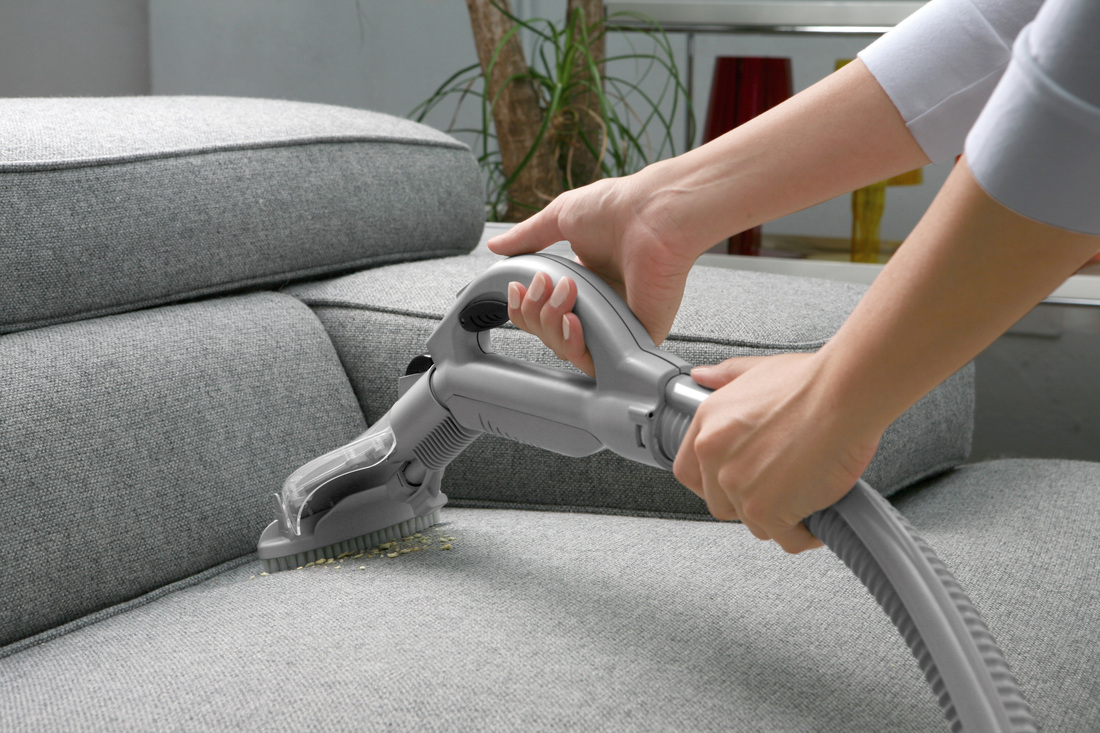
Before initiating the cleaning process, collect the necessary supplies. Basic essentials include a hoover with an upholstery tool, a soft brush, a mild detergent or upholstery cleaner, and absorbent cloths. For tough stains, it's advisable to have specialized products on hand. Understanding the composition of your upholstery will guide you in picking the appropriate cleaning agents that won’t harm the fabric.
In addition to cleaning supplies, being cognizant of common upholstery cleaning errors is vital. Over-wetting the fabric, using harsh chemicals, or failing to try cleaners on hidden areas can lead to permanent damage. Informing yourself on these hazards will ensure a successful cleaning experience, allowing you to enjoy your furnishings without worry for deterioration.
Common Spots and Solutions
Furniture coverings can readily become blemished because of daily chores and mishaps. Recognizing prevalent stains and ways to handle them can protect your furniture from permanent damage. For instance, food and drink spills are frequent offenders. To tackle these stains, blot the area promptly with a new cloth to soak up excess liquid, then apply a blend of mild detergent and water. Carefully scrub the area with a fluffy brush or cloth, then rinse with clean water without soaking the fabric.
Another common issue is grime and earth, particularly in households with kids or pets. To remove dirt stains, allow the mud to dry completely first, then gently scrape off any leftover with a spoon or knife. Use a vacuum to the area to remove unattached particles, followed by using a moist cloth with gentle soap to clean the stain. Keep in mind to work inward from the edges to avoid spreading the dirt further. For persistent stains, a dedicated upholstery cleaner may be necessary.
Oil and grease stains can be more challenging but not impossible to remove. Begin by absorbing as much of the grease as possible with a paper towel. Then, sprinkle sodium bicarbonate or cornstarch over the stain to soak up the oil, leaving it on for about 15 minutes before vacuuming it away. Follow up with a combination of water and dish soap to softly clean the area. Rinse with a new damp cloth while avoiding overwetting the fabric to stop damage.
Professional vs. Do-It-Yourself Cleaning
When it comes to upholstery cleaning, homeowners often find themselves debating between expert cleaning and DIY methods. Expert services offers the benefit of knowledge, specialized equipment, and products designed for various fabric types. Professionals are skilled to assess the specific needs of different upholstery materials, ensuring that thorough cleaning is performed effectively and efficiently. This can result in a prolonged life for your furniture and improved appearance, making it a valuable investment for those with dirty upholstery or delicate fabrics.
On the other hand, DIY cleaning can be a cost-effective option that allows homeowners to care for their furniture in between professional cleanings. With the right supplies and techniques, many common stains can be addressed effectively at home. DIY methods can include spot cleaning with DIY mixtures or using store-bought upholstery cleaners. However, it is crucial to know your material and adhere to care guidelines carefully to avoid harm, which can occasionally lead to costly repairs.
Ultimately, the choice between professional and DIY cleaning is based on your specific needs, budget, and the condition of your upholstery. For lighter maintenance and quick fixes, DIY methods may be sufficient, while deeper cleanings and challenging stains might be better handled to the experts. Combining both approaches can help maintain your upholstery looking new and extend its life.