

Over the past few years, the realm of surveying and mapping has been significantly revolutionized by drone technology. The ability to capture high-resolution aerial imagery and precise data quickly and efficiently has made drone surveys an invaluable tool across various industries. From construction and land development to agriculture and environmental monitoring, the potential of drone surveying are wide-ranging and diverse. As an increasing number of projects adopt this innovative approach, comprehending the merits and features of drone surveys becomes important for professionals seeking to remain competitive in their domains.
This article explores the numerous advantages of using drone surveys for your upcoming project. We will investigate how these advanced surveying methods are transforming the construction industry, enhancing precision in topographical mapping, and providing a safer alternative for inspections. We will also cover how drones are saving hours and lowering costs while boosting project planning efficiency. Whether you are involved in real estate, infrastructure, or agricultural planning, the information provided here will illustrate why drone surveys are a revolutionary force in modern surveying practices.
Advantages of UAV Inspections
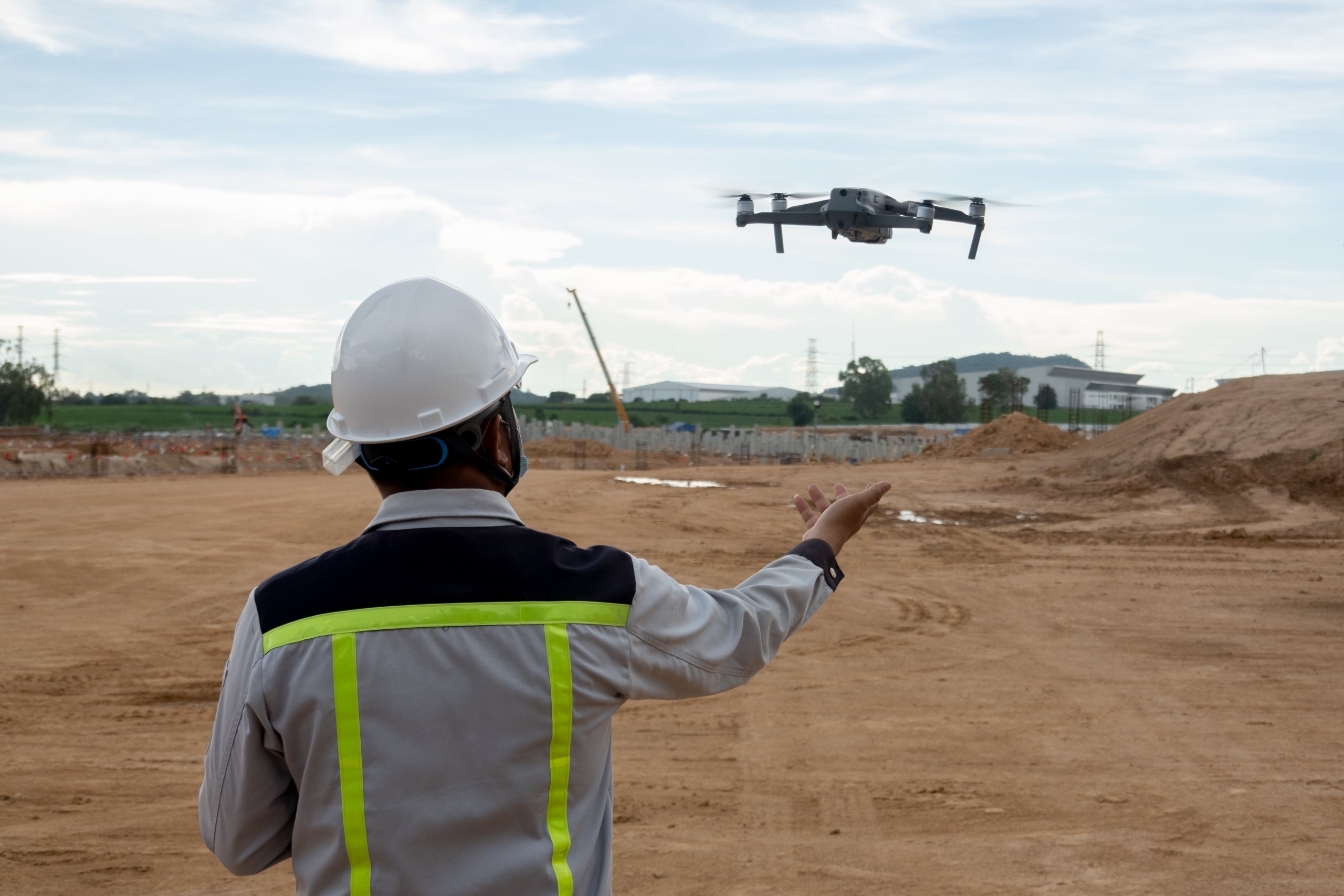
Drone surveys offer various major benefits compared to conventional surveying techniques. One of the primary important advantages is the capability to cover extensive regions swiftly and effectively. Unmanned Aerial Vehicles can obtain sharp pictures and data in a small part of the time it would take a traditional team to conduct similar activities. This speed not only speeds up project schedules but also allows for increased data gathering, leading to up-to-date information that can substantially aid in decision processes activities.
In addition to swift operations, drone inspections offer superior accuracy. Contemporary UAVs are loaded with cutting-edge technology and GPS systems that provide exact measurements and thorough geographical data. This extent of accuracy is crucial for sectors such as building and property development, where even small discrepancies can lead to major expenses and job delays. The employment of drones also lessens human error generally associated with manual inspections, thus enhancing the reliability of the data gathered.
Cost savings are yet another compelling factor to consider UAV surveys. By reducing the duration invested on-site and decreasing the labor needed for information gathering, organizations can noticeably cut their project costs. Furthermore, the comprehensive information and analytics provided by drone inspections can translate to better resource management and strategizing, translating to further economic savings. Overall, the incorporation of drone tech into survey practices does not only streamline operations but also improves project efficiency and results. ### Drone Surveys vs. Traditional Methods
Drone surveys represent a significant advancement over conventional surveying techniques, offering enhanced efficiency and accuracy. While conventional approaches often rely on ground-based measurements and extensive manpower, drones can quickly cover wide expanses, minimizing the duration for gathering data. This efficiency not only enhances the surveying process but also allows for more often permits more updates and evaluations, making it easier to track changes over time.
In terms of data quality, drones equipped with sophisticated imaging technology provide high-resolution aerial imagery and precise 3D models. This level of detail can be challenging to achieve with traditional methods, which may rely on less accurate instruments or require extensive fieldwork to gather comparable data. The photogrammetry processes used by drones enable surveyors to create highly accurate maps, further enhancing the reliability of project planning and decision-making.
Additionally, drone surveys significantly enhance safety, particularly when surveying hazardous or difficult-to-reach locations. By eliminating the need for surveyors to physically access unsafe zones—such as steep slopes, unstable buildings, or active construction sites—drones reduce the potential for accidents and harm. This focus on safety, combined with the technological benefits, makes drone surveys a strong alternative to traditional surveying methods for multiple uses.
Emerging Developments in UAV Surveying Technology
As drone technology continues to progress, we can look forward to notable improvements in survey abilities. The integration of AI and machine learning techniques is poised to change the analysis of data from drone data collection. These technologies will allow faster analysis of extensive amounts of data, providing greater accurate insights and predictions. Drone Surveys Oxford Oxfordshire will boost decision making strategies in multiple industries, including infrastructure, agriculture, and environmental assessment.
Another trend on the horizon is the advancement of UAV hardware, resulting in greater accuracy and effectiveness. With improvements in sensors, UAVs will be able to collect detailed information in a range of environments. For example, the addition of multi-spectral and hyper-spectral imaging systems will allow for more thorough evaluations, providing important information for agricultural strategies, land development, and environmental assessments. These enhancements will make drone surveys an indispensable tool across many fields.
Finally, legislative guidelines surrounding UAV operation are expected to adapt alongside tech development. As commercial applications expand, governments and regulators will generally implement new rules to ensure safe operations while encouraging new ideas. This will aid the integration of drones into traditional processes, making drone surveys more available and practical for multiple uses. Consequently, as the technology advances and guidelines evolve, the potential for drone surveys will be limitless, opening new opportunities for discovery and efficiency.