

Within the ever-evolving field of construction, efficiency and safety are crucial. One method that is gaining notable progress in revolutionizing how we manage underground work is the process of vacuum excavation. Such an innovative method not only improves project timelines but additionally provides a safer alternative to conventional digging techniques. With construction projects become complicated, understanding the benefits and applications of vacuum excavation is crucial for industry experts and stakeholders alike.
Vacuum excavation employs either air or water to extract soil and debris, making it a non-destructive digging option that protects existing underground utilities. With its ability to reduce disruptions and enhance job site safety, this technique is rapidly gaining traction across multiple sectors, from utility installation to urban development. In this piece, we will examine the many reasons why vacuum excavation is emerging as a vital part of modern construction, showcasing its productivity, safety features, and environmental advantages.
Understanding Suction Excavation
Suction excavation is a modern digging technique that employs strong vacuums to extract soil and debris while minimizing interference to the adjacent environment. This method is notably effective because it merges suction technology with either water or air, allowing for exact excavation without causing damage to underground utilities. The process begins with the high-pressure application of water or air to loosen the soil, followed by vacuuming up the loosened material into a tank, which can then be readily transported away from the site.
One of the key benefits of vacuum excavation is its non-destructive nature. In contrast to traditional digging methods that can lead to potential damage to underground utilities like gas, water, and telecommunications lines, suction excavation carefully exposes these structures. This approach significantly lowers the risk of accidents and costly repairs, making it a preferred option for construction and utility projects in urban areas where space is tight, and the risk of damaging existing infrastructure is high.
In addition to its safety benefits, suction excavation is also known for its efficiency. https://long-stentoft.mdwrite.net/the-evolution-of-excavation-a-look-into-the-world-of-vacuum-technology minimizes the amount of time spent on-site by minimizing project downtimes usually associated with traditional digging methods. The ability to quickly and accurately identify utilities, coupled with the clean removal of soil, streamlines many construction processes. As a result, contractors can finish projects faster while also adhering to rigorous safety regulations and standards, ultimately leading to cost savings and enhanced productivity on job sites.
Benefits of Vacuum Excavation
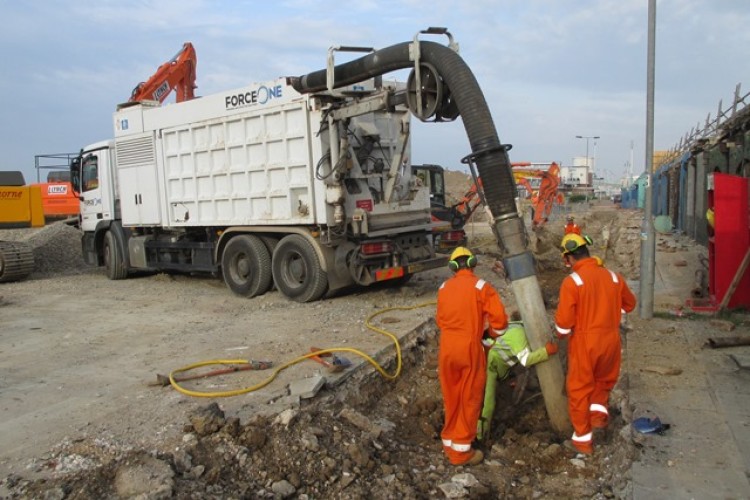
Suction excavation offers a variety of perks that make it an more popular choice in contemporary construction. One of the key advantages is its non-destructive nature. In contrast to traditional digging methods, which can easily destroy underground utilities and infrastructure, vacuum excavation minimizes the likelihood of causing harm. This not only safeguards vital services but also reduces the risk for costly repairs and delays. The precision of vacuum excavation allows for more precise locating of utilities, which is essential for avoiding significant mistakes on job sites.
Another notable benefit is increased safety on construction sites. Vacuum excavation substantially lessens the chances of incidents associated with traditional digging methods. By clearing soil and debris using suction, operators can maintain a safer and safer work environment. This method of digging also lessens the danger posed to workers by heavy machinery and the risk for cave-ins, making it a less hazardous option for all involved. With a focus on safety, many companies discover they are able to improve their productivity and workforce morale.
Moreover, vacuum excavation is eco-friendly. It generates minimal noise and dust compared to traditional excavation methods and produces reduced waste. The process also enables the protection of existing landscaping, as the selective digging approach protects the health of surrounding vegetation and soil structures. By utilizing vacuum excavation methods, construction companies can fulfill environmental regulations more effectively and showcase their commitment to sustainable practices. This not only improves their reputation but also attracts clients who favor eco-friendly solutions.
Utilization and Guidelines
Vacuum excavation is widely utilized in various fields, showing its flexibility and efficiency. In infrastructure development, it is commonly used for hole excavation and identifying utility lines, allowing workers to uncover underground services without damaging them. This technique is also essential for installing utilities and pipelines, as it produces accurate holes that lessen the influence on surrounding structures. Additionally, it provides a significant role in maintaining drainage and sewer systems, making sure that these vital services remain functional with minimal disruptions.
When it comes to optimal procedures in vacuum excavation, proper planning is essential. This comprises conducting detailed site assessments to locate the position of underground utilities and risk factors. Workers must be skilled in the particular machinery and methods associated with this technique to increase safety and productivity. Utilizing technology, such as subsurface radar, can also boost accuracy and minimize the hazards associated with excavation work.
Additionally, adhering to safety standards and guidelines is necessary for successful vacuum excavation operations. Ensuring that all team members are informed about safety procedures helps prevent accidents and injuries. Regular servicing of tools is vital to ensure optimal performance and reliability. By following these recommended procedures, contractors can maximize the benefits of suction excavation while reducing risks and boosting project outcomes.