

As a boat owner, making sure the lifespan and protection of your property is crucial. One of the most successful ways to shield your boat from the weather is by utilizing a high-quality boat cover. With countless options on the market, making your own boat cover can not only save you money but also allow to adapt the cover to meet your individual needs. This guide dives into the basics of DIY boat covers, giving you with valuable insights into selecting the right materials, styles, and features that will keep your vessel protected year-round.
In this exploration of boat covers, we will cover everything from the varieties of materials to take into account, the value of accurate measurements, and tips for care and management. Whether Additional info are wanting to protect your boat from harsh winter weather or wanting a simple cover for brief use, understanding the ins and outs of boat covers is crucial. Join us as we walk you through the DIY journey and guarantee your boat remains in top-notch condition for all your adventures on the water.
Choosing the Appropriate Boat Cover
Selecting the right boat cover is essential for protecting your investment and guaranteeing its longevity. Consider aspects such as the kind of boat you possess, the common weather conditions in your region, and how you plan to use the cover. Each boat has distinct dimensions and shapes, which makes finding a cover that suits well important. Understanding these elements will guide you toward a cover that provides the best protection and strength.
One of the critical decisions you will confront is whether to opt for a custom or standard cover. Custom covers are tailored specifically to your boat's dimensions, offering a tight fit and increased protection against elements like rain, sun, and debris. On the flip side, universal covers can be more affordable and may function for different boat shapes, but they may not provide the equivalent level of coverage and may require additional adjustment to fit your boat correctly.
Finally, it's vital to take into account the materials used in boat covers. Options include canvas, polyester, and various blends, each with its own advantages. Canvas provides superior durability but can be bulkier, while polyester is typically more lightweight and often water-resistant. Make a choice based on the climate you live in and the specific protection you need for your boat, making sure you select a cover that can endure the elements it will face.
Care and Care for Boat Covers
To guarantee your boat cover remains in top condition, consistent maintenance is essential. Begin with frequent inspections for indicators of damage, such as worn seams or openings. Clean your cover at least one time a season using a mild soap solution and soft brush, not using harsh chemicals that can degrade the material. Remember to allow the cover to dry entirely before keeping it, as moisture can result in mold and decay, which may compromise both the cover and the watercraft it safeguards.
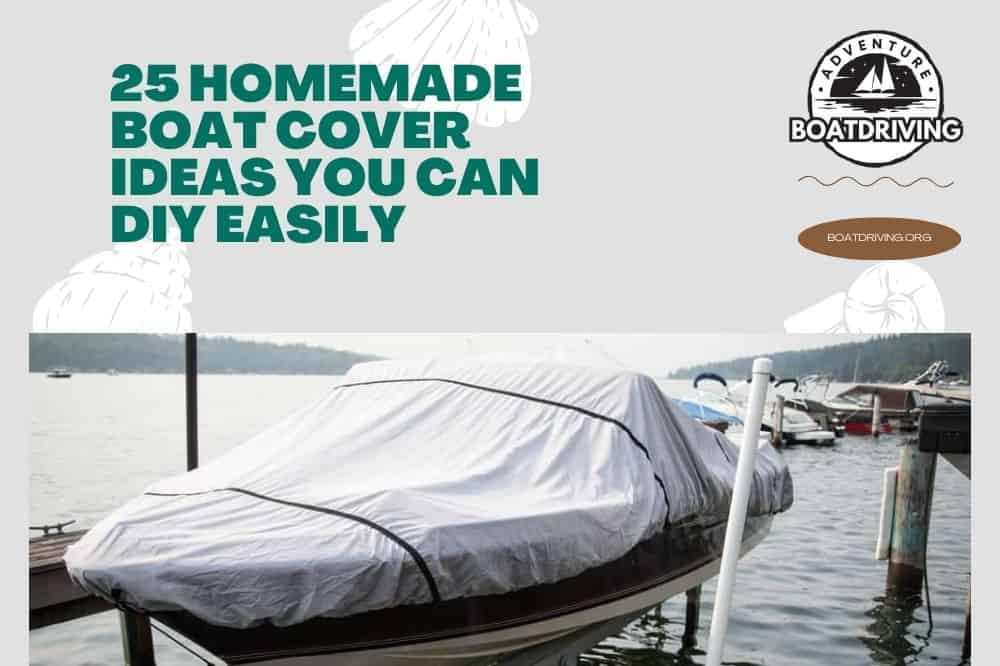
When keeping your watercraft cover, it’s crucial to keep it in a cool, dry place away from unfiltered sunlight. This protects against UV degradation over time. Consider using a ventilated storage bag made specifically for boat covers, that can further protect against dust and debris while allowing moisture to disperse. Avoid folding the cover in ways that could create sharp bends, as these areas are more prone to deterioration.
Additionally, utilize proper securing methods when your cover is in use. Using straps or bungee cords ensures it stays in place during blustery conditions, minimizing the risk of it fluttering and possibly damaging. Being aware of environmental factors like precipitation accumulation during the winter season can also prolong the life of your cover. Routine care and attention on these factors will keep your boat cover effective and increase its durability.
Improvements in Watercraft Cover Design
Recent developments in vessel cover styling have concentrated on improving durability and user-friendliness. Brands are now utilizing new fabrics that offer improved resistance to the environment, such as robust fabrics that withstand ultraviolet light, moisture damage, and severe climate. These advanced materials not only extend the durability of the covers but also ensure that they remain lightweight and easy to handle, facilitating the task of protecting and uncovering your watercraft much more efficient.
An additional important advancement is the inclusion of smart features into watercraft covers. Some protective covers now come loaded with built-in technology that can monitor factors like dampness and climate, notifying owners to risks such as mold growth or over-saturation. These advanced options provide an extra layer of security, allowing boat owners to take proactive measures to maintain their property and avoid expensive repairs before it occurs.
To wrap up, the design and fit of vessel tarps have improved significantly with progress in personalized fitting systems. 3D scanning methods are increasingly used to create protective covers that perfectly match the lines of specific vessels. This accurate fit not only enhances the visual attractiveness but also boosts functionality by stopping water pooling and maximizing protection. As the industry continues to evolve, we can expect to see even more sophisticated features that cater to the varying needs of vessel users.