

In the current society, a self-assured smile can substantially improve your general appearance and confidence. Dental reconstruction through implants has emerged as a revolutionary solution for patients struggling with absent teeth. This novel procedure not only recovers utility but also transforms smiles, allowing people to recover their confidence. With advancements in tech and methods, dental implants have become a go-to option for both cosmetic and medical reasons.
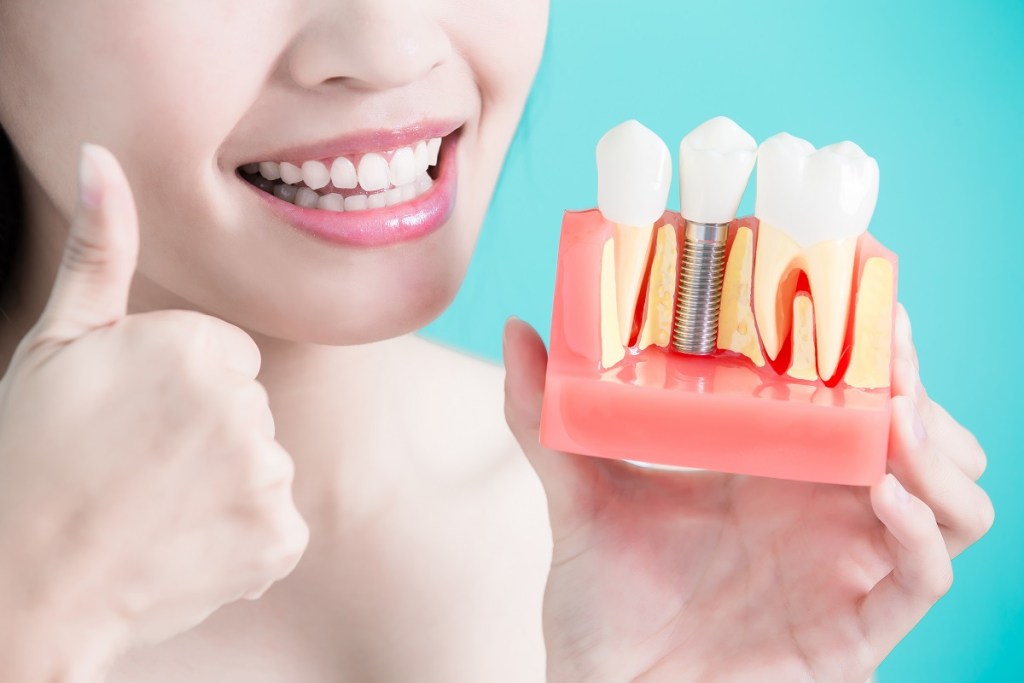
Grasping the details of dental implants and restorations is crucial for anyone contemplating this transformative procedure. From the detailed process of receiving an implant to the various options on offer, such as single tooth versus complete mouth rehabilitation, this comprehensive guide will furnish you with the information needed to make educated decisions. Whether you are inquiring about the perks, costs, or even the restoration process, we aim to answer your questions and explain the misconceptions surrounding dental implants. Come along with us as we examine the essential facts that will assist you navigate the process to a stunning smile, one implant at a time.
Overview of Tooth Implants and Restoration
Dental implants have transformed the way missing teeth are replaced. They serve as man-made roots, typically made from titanium, that are medically placed into the mandible to support replacement teeth. This cutting-edge solution not just restores the capability of a person’s bite but also mimics the look of real teeth, providing a durable cosmetic appeal. With advancements in innovation, dental implants have become more accessible and effective, making them a popular choice for individuals seeking to enhance their oral aesthetics.
The procedure of dental rehabilitation often involves multiple steps, based on the extent of teeth loss and individual needs. Restoration options include individual tooth implants, entire arch reconstruction, and implants that support bridges, each tailored to meet particular requirements. Elements such as the condition of the mandibular structure and the overall dental health of the patient play a crucial role in determining the most suitable course of action. Furthermore, with advancements in imaging and surgical techniques, the preparation and carrying out of dental implant procedures have become more exact and less invasive.
Choosing dental implants goes further mere appearance; it greatly contributes to total oral health. Implants aid prevent bone loss that occurs after loss of teeth, maintain facial structure, and improve biting efficiency. As patients restore their ability to consume and speak comfortably, there is frequently a notable boost in confidence and standard of life. Comprehending the positives, the methods, and the developments in dental implant methods can help patients make knowledgeable decisions about their teeth care and rehabilitate their appearance efficiently.
Understanding the Process and Benefits
The dental implant procedure begins with a thorough consultation where dental professionals evaluate the patient's oral health and establish their suitability for implants. This typically involves X-rays and 3D imaging to formulate a tailored treatment plan. Once authorized, the procedure includes the surgical placement of the implant into the jawbone, facilitating for ideal integration with surrounding bone and tissue. After a healing period, an abutment and custom crown are fixed, resulting in a natural-looking and practical tooth replacement.
One of the main benefits of dental implants is their power to revive not only the look of a smile but also its functionality. In contrast to traditional dentures or bridges, implants provide a solid foundation that mimics the natural tooth root. https://fixeddentalcare.com/ allows individuals to savor their preferred foods without concern about movement or discomfort. Additionally, dental implants help sustain jawbone density, avoiding bone loss that often happens with missing teeth.
Beyond the physical benefits, dental implants offer significant psychological benefits. Patients often report enhanced confidence and self-esteem after receiving implants, allowing them to smile, eat, and socialize without reservation. This improvement in quality of life makes dental implants an attractive option for those looking to revive their smile and overall well-being. The merger of cosmetic and health benefits makes implants one of the most favored solutions for missing teeth.
Maintaining and Maintaining The Implants
Taking care of the dental implants is crucial for ensuring their longevity and functionality. Similar to natural teeth, implants needs consistent brushing and flossing to avoid plaque buildup and gum disease. A gentle toothbrush and non-abrasive toothpaste is suggested to avoid damaging the implant and surrounding tissues. It's crucial to clean around the implant crown gently, using interdental brushes or natural dental floss meant for implants to reach hard-to-clean areas.
Scheduled dental visits are crucial for the ongoing health of your implants. During these appointments, your dentist will assess the integrity of the implant and the health of your gums, clearing any tartar that may have formed. Dental cleanings help maintain a healthy oral environment, reducing the risk of complications, such as peri-implantitis. Your dentist can also provide tailored care recommendations depending on your specific situation to ensure excellent maintenance.
In conjunction to good oral hygiene practices, avoiding harmful habits will contribute to the long-term success of your implants. Refrain from smoking, as tobacco use can significantly impact healing and raise the risk of complications. Also, be mindful of your diet, selecting healthy foods while avoiding sticky items that could damage your restoration. Complying with these guidelines will help you enjoy the benefits of your dental implants for multiple years.