

Clogged pipes are a common nuisance for property owners and renters as well. They can interfere with daily life, cause unpleasant odors, and even result in moisture issues if left untreated. Understanding the main factors of these obstructions, along with useful protection and unclogging methods, is essential for maintaining a well-functioning pipe network. With a abundance of resources and approaches available, knowing how to effectively tackle blockages can conserve both effort and costs in the future.
In this detailed manual, we will examine 30 common causes of obstructed pipes and provide information into how to avoid them. We’ll also delve into the main clues that suggest your pipe may quickly turn into a problem, and consider the benefits of DIY strategies versus professional help. Whether you are struggling with a difficult kitchen sink or a troublesome drain, this piece will provide you with the knowledge and skills to successfully remove those obstructions.
Common Reasons of Obstructed Drains
Blocked drains can be a property owner's problem, often arising from a mix of routine materials and disregard. One of the primary causes is hair, particularly in bathroom basins and bathtubs, where it readily accumulates and forms a thick clump. In kitchens, fat and food scraps are infamous for creating clogs. Over time, as fat hardens and freezes, it marries with leftover food debris, leading to hard-to-remove clogs.
Moreover frequent factor is the collection of soap residue and mineral deposits. Hard water can play a role significantly to this problem, as minerals like lime and magnesium collect in pipes as time progresses. This build-up reduces the opening for water flow, raising the likelihood of obstructions. Additionally, soap scum can create a sticky layer inside pipes, ensnaring other substances and aggravating clogs.
Roots of trees are also a significant issue for many residents, especially those with aged pipe systems. Tree roots can invade underground pipes searching for water, leading to significant clogs and sometimes even fractures in the plumbing. This natural incursion can be hard to identify until a major issue arises, making it crucial to be aware of changes in drain flow and to carry out routine maintenance to stop such unwanted obstructions.
DIY Drain Clearing Techniques
When faced with a blocked drain, many property owners prefer to attempt DIY solutions prior to calling in a plumber. One of the simplest methods is using a mixture of baking soda and vinegar. Start by pouring a pot of hot water down the drain to help break up any debris. Then, add 1/2 a cup of baking soda followed by 1/2 a cup of vinegar. Cover the drain with a plug or a cloth to contain the reaction. After about Go to this site , flush the drain with another pot of hot water to remove any remaining blockage.
Another effective technique is using a plumbing device, especially for sinks and toilets. Ensure there is sufficient water in the sink to cover the plunger's cup. Position the plunger over the drain, creating a secure seal, and pump it vigorously up and down for 20 to 30 seconds. This motion creates negative pressure that can remove food, hair, or other materials causing the clog. Flush the drain with warm water afterward to help remove any loosened debris.
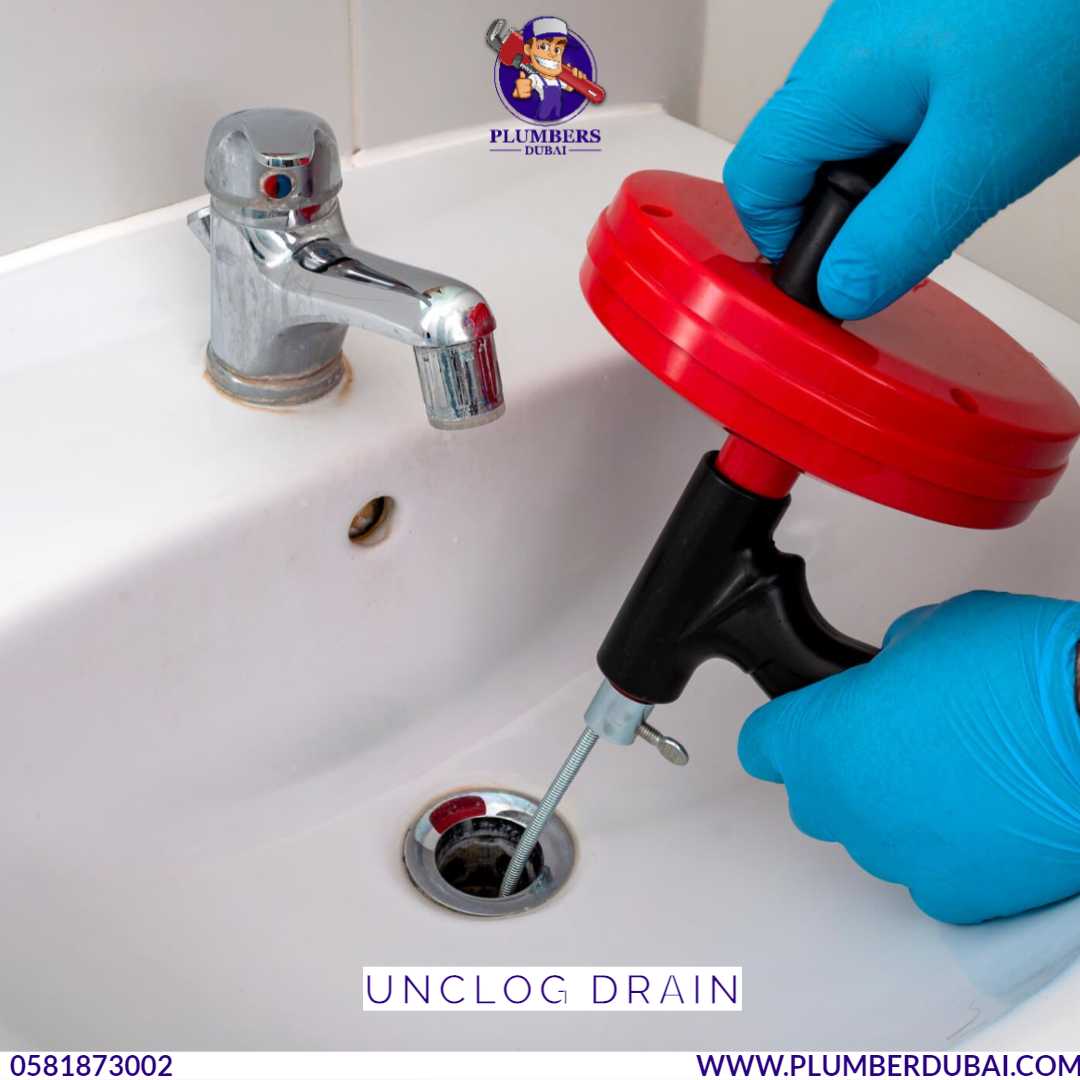
For more stubborn clogs, a drain snake can be a handy tool. Place the snake into the drain and rotate it to break up or catch the clog. Once you feel a blockage, you can either pull out the debris or force it further down the pipe. After using the snake, always flush warm water down the drain to ensure any remaining residue are flushed away. These do-it-yourself methods can often resolve minor clogs and help maintain good drainage in your home.
When to Contact a Professional
There are clear indicators that it's time to reach out to a qualified plumber for your drain problems. If you've tried various DIY methods with no results, or if the clog affects several drains in your house, it may indicate a deeper problem within your pipes. Persistent clogs can indicate serious issues, such as tree roots invading pipes or major accumulation that requires specific equipment and techniques to clear.
Another situation that calls for expert help is when you notice foul odors coming from your drains. This nasty scent can point to stagnant water or decomposing substance trapped in the pipes, indicating a need for expert intervention. Additionally, if you experience frequent blockages, slow drainage, or water pooling in unexpected locations, it's advisable to consult a qualified expert who can diagnose and resolve the underlying causes effectively.
Lastly, if your home is equipped with a septic system, the stakes are greater when it comes to drain clogs. Chemical products and improper handling can harm the system, leading to costly repairs. A skilled plumber will know the safest and most effective ways for eliminating clogs while preserving the integrity of your septic system, ensuring that your plumbing operates smoothly and effectively for the long term.