

Building a personal movie theater is an thrilling venture that can change your residential area into a custom entertainment center. Whether you're a film lover, a sports fan, or a passionate gamer, the ideal home cinema setup can boost your viewing experience to new heights. However, the path to audio-visual excellence involves thoughtful preparation and assessment of various aspects—from the layout of the room to selecting equipment.
In this guide, we will explore essential tips and information to help you traverse the intricacies of home cinema setup. You’ll learn if to take the self-installation path or bring in a professional, become aware of the financial factors, and understand the impact of light and acoustics on your installation. By the conclusion of this article, you'll be prepared with the skills to create a fantastic home cinema that fulfills your demands and surpasses your anticipations.
Key Considerations for Home Cinema Installation
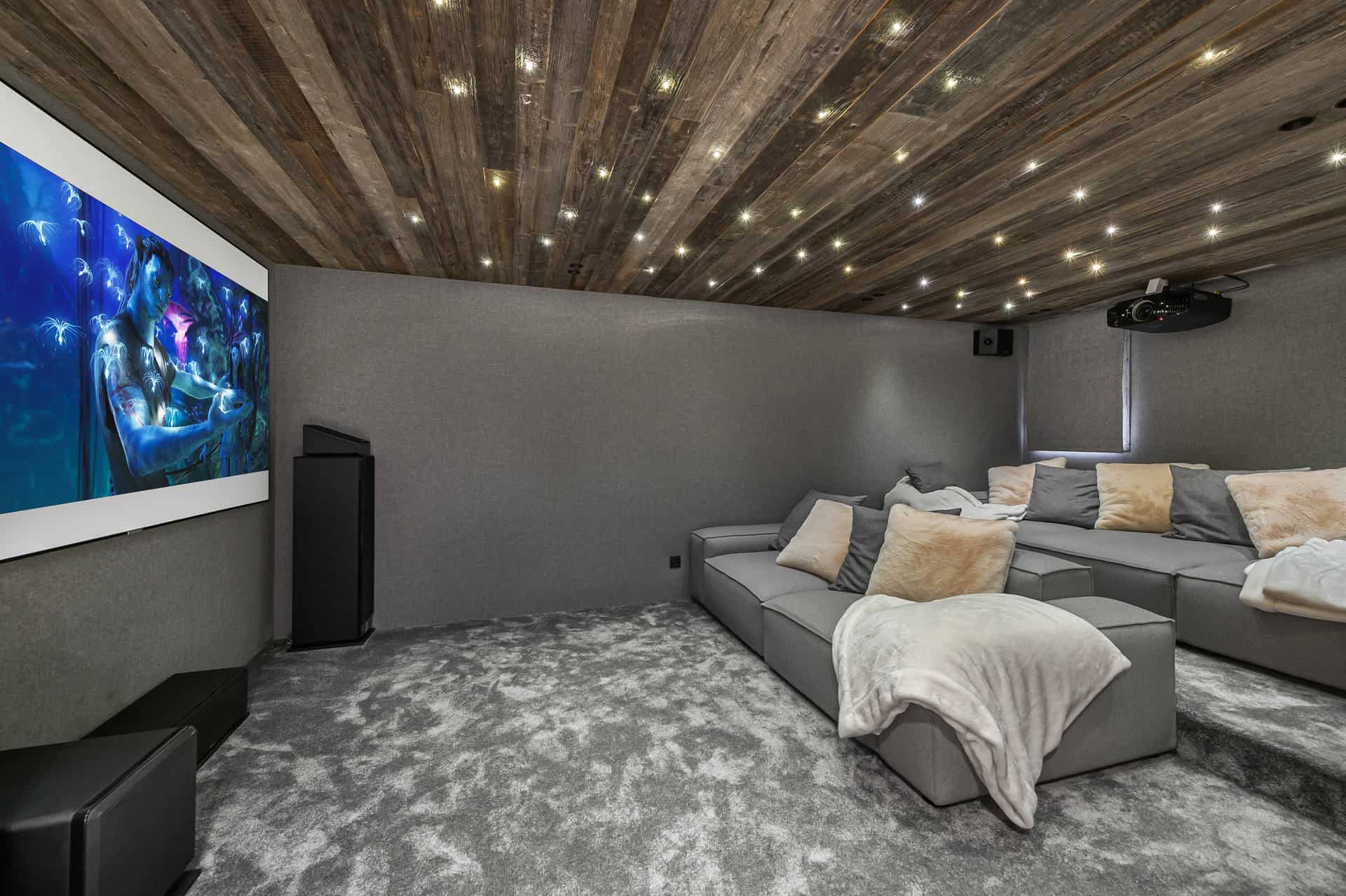
As you prepare for your home theater installation, the primary key consideration is the configuration of the space. The dimensions and design of the room will play a significant role in determining the ideal placement of the display, sound system, and couches. It's vital to consider factors such as the type of walls, how high the ceiling is, and possible obstructions that could affect visibility and audio performance. A well-thought-out layout ensures that every viewer enjoys an immersive experience.
A further important factor is the choice of audio and visual equipment. Choosing the correct projector or display screen, along with an appropriate speaker system, can significantly enhance your viewing experience. Look for equipment that meets your requirements, whether it's for movies, video games, or sporting activities. Researching current equipment innovations can help you make wise selections that will prepare your system.
Illumination is also a key aspect that can significantly affect the level of your theater experience. Daylight and indoor light can produce glare on screens and interfere with the movie enjoyment. It’s recommended to control light levels using light-blocking drapes or intelligent lighting to create the proper atmosphere. Adequate lighting allows for a more comfortable environment for viewing sessions or gaming sessions.
Professional vs DIY Installation
Determining between professional installation and a DIY approach is one of the initial key choices to make when setting up your home cinema. A professional service brings specialized knowledge, guaranteeing that every detail from the audio calibration to the images meets industry standards. Experts can evaluate your space and provide customized options that improve the overall experience, taking into account factors such as space acoustics and optimal screen placement. Additionally, https://www.homecinemashertfordshire.co.uk/best-home-cinema-installation-hertfordshire/ have access to high-end components and the know-how to maximize their capabilities.
On the other hand, a DIY installation can be an attractive option for those who are mindful of costs or enjoy hands-on projects. With easily accessible online guides and tutorials, many individuals can effectively set up their personal movie systems without needing professional assistance. Nonetheless, this route requires considerable research, technical knowledge, and a willingness to troubleshoot potential issues that may come up during the installation. It's essential to realistically evaluate your abilities and how much time you can commit to the project.
In the end, the choice between professional and DIY installation will rely on your comfort level with technology, the complexity of the home cinema system you're aiming to install, and your financial resources. If you value a flawless audio-visual experience and are prepared to invest in professional services, that route may yield superior results. Conversely, if you're sure in your skills and eager to customize your space, a DIY approach can be fulfilling and cost-effective while still providing a fantastic home cinema experience.
Creating Your Home Theater
Designing the perfect home theater space needs careful consideration and consideration of various factors that influence both the appearance and usability of the space. Begin by picking the right location inside your house, preferably in a designated area, or an area with little outside light and noise interference. Take into account the room's measurements, as this will affect the placement of your display, chairs, and speakers, providing an enthralling viewing experience.
Acoustic treatment is another key aspect of the design. Sound quality can be significantly improved by employing materials that soak up or scatter sound waves. Consider putting in acoustic panels, carpets, and heavy curtains to reduce echoes and create a more cinema-like environment. The shape of the room also is important; a rectangular layout often provides enhanced sound distribution compared to square rooms. Plan the layout of the chairs to provide ideal sightlines, ensuring everyone has a clear view of the screen without being disrupted by others.
Lighting is important in creating the appropriate mood for your home cinema. Include dimmable lights and use blackout curtains to prevent any potential glare on the display. You might choose to put in LED strip lights near the display or behind the seating for an immersive ambiance. Additionally, position any light fixtures out of the screen's to prevent distractions while watching. Thoughtful attention of these elements will transform your home theater into a setting that delivers both ease and a high-quality cinematic experience.