

In recent years, drones for surveys has grown significantly, changing the way professionals approach a variety of projects. Surveys using drones provide a unique combination of rapid results, exactitude, and budget-friendliness that traditional methods simply cannot match. As industries including construction, agriculture, and property embrace this transformative technology, the advantages of aerial data analysis become more apparent. From enhancing project planning to enhancing safety on risky locations, drone surveys are reshaping the future of current surveying practices.
As we investigate the countless perks of drone surveys, we will examine the ways they are transforming fields like building and land development. We will cover the methods and technologies that contribute to their effectiveness, such as photogrammetry and thermal imaging. Additionally, we'll address the obstacles associated with adopting drone surveys and effective strategies for tackling them. Whether you are a project leader, a builder, or just curious about the latest developments in surveying, grasping the significance of drones in this sector can offer critical insights for your upcoming projects.
Benefits of Drone Surveys
Aerial surveys offer a variety of benefits that conventional survey techniques cannot match. The key advantage is the effectiveness and rapidity with which data can be collected. Drones can traverse large areas in a small amount of the time it would take a crew of surveyors on the ground. This rapid data collection allows projects to move forward more efficiently, reducing downtime and expediting decision-making processes. With https://bitsch-hensley.thoughtlanes.net/flight-path-to-precision-the-advantages-of-drone-surveys -of-the-art tools, drones are capable of producing detailed images and exact measurements, making them perfect for a number of purposes.
An additional benefit is the value of drone surveys. By reducing the need for large teams of workers and allowing for more rapid data collection, businesses can greatly reduce workforce expenses. Additionally, the employment of drones reduces the likelihood of injuries associated with traditional surveying methods, ultimately leading to lower liability insurance and reduced liability claims. Customers often find that investing in drone surveys yields a better return on investment due to these saved outlays and improved project timelines.
These aerial vehicles also boost safety, particularly in hazardous locations. They can access hard-to-reach or hazardous areas without the need for people on-site. For instance, in construction sites, industrial facilities, and disaster zones, drones can gather important data without risking surveyors at risk. This safety factor not only protects workers but also ensures that important data is still collected, which might in other circumstances be difficult to acquire without significant safety concerns. With all these benefits, it’s clear that drone surveys are changing the way various industries approach data collection and project oversight.
Drone Surveys vs. Traditional Techniques
Drone surveys have risen as a powerful substitute to traditional surveying methods, offering a variety of advantages that improve productivity and accuracy. Unlike traditional assessments that often depend on on-site equipment and personnel, drone surveys can reach large areas in a small portion of the time. Fitted with advanced https://temple-hartvigsen-2.blogbright.net/drones-in-the-field-revolutionizing-geospatial-techniques and cameras, drones obtain high-resolution images and data that can be evaluated quickly, allowing for prompt decision-making and project strategizing. This effectiveness is particularly valuable in industries such as construction and land development, where timeliness and accuracy are crucial.
One major distinction between drone surveys and conventional methods is their capacity to reach difficult to access areas securely. While traditional surveying might entail difficult terrain and possible hazards, UAVs can collect data from high locations or remote sites without placing surveyors at risk. This capability not only improves safety but also reduces the need for costly platforms or steps and minimizes interruptions to the site, making the operation smoother and more efficient. Additionally, the adaptability of UAVs permits quick adaptations to evolving assignment requirements, which is often cumbersome with conventional techniques.
Moreover, the level of specificity and precision provided by UAV inspections is often greater to that of traditional approaches. Drones utilize photogrammetry and other sophisticated technologies to create detailed 3D models and topographical maps. This capability allows for accurate measurements and data combination, enhancing overall tangible results. When looking at costs, drone surveys can also lead to substantial savings by minimizing labor hours and likely revisions, ultimately providing a more affordable answer for various assessment needs. As technology develops, the divide between drone and traditional methods continues to widen, favoring the advanced features of UAV inspections.
Future Innovations in Drone Mapping
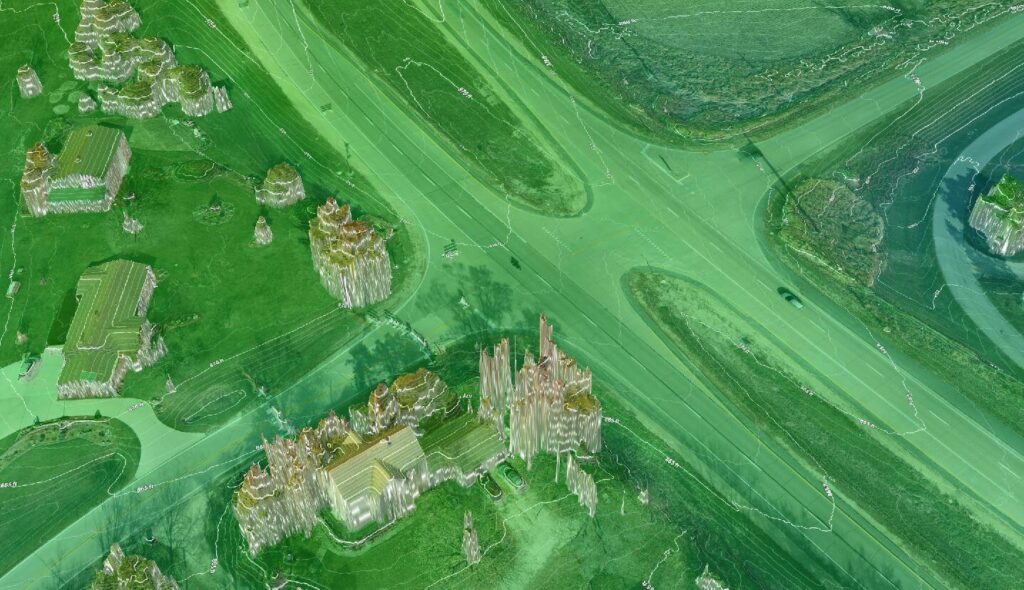
As UAV technology continues to advance, the future of drone inspection is likely to be influenced by advancements in artificial intelligence and ML. These technologies can enhance analytical capabilities, enabling drones to not only obtain clarity photographs and information but also analyze and interpret it autonomously. This transition will not only enhance accuracy but also streamline processes, allowing surveyors to concentrate on analysis and planning rather than data collection.
The combination of advanced technologies, such as LiDAR and infrared imaging, will further broaden the potential of UAV inspections. These technologies provide an unprecedented level of clarity and insight into diverse uses, including environmental monitoring, infrastructure evaluations, and disaster response. As these sensors become more accessible and cost-effective, we can anticipate drone inspections to be increasingly embraced across various sectors, leading to more thorough assessments and informed project development.
Additionally, regulatory changes will play a significant role in shaping the future of UAV mapping. As regulatory bodies recognize the advantages of UAVs in enhancing efficiency and safety, we may see the introduction of more streamlined policies that facilitate greater access to airspace usage for UAV operations. This evolving legal environment will likely promote wider adoption of drone technology, further embedding it within standard inspecting practices and creating new business opportunities in the industry.